
The bolt carrier group, or BCG, is one of the hardest-working parts of an AR-15.
It collects carbon, fouling, residue, and lubricant during use. Regular cleaning helps you inspect the parts, remove buildup, and keep your rifle properly maintained.
This guide explains how to clean an AR-15 bolt carrier group step by step.
Safety first: Make sure the firearm is unloaded before beginning maintenance. Remove the magazine, verify the chamber is empty, and follow the firearm manufacturer’s instructions.
What You’ll Need
You don’t need a complicated setup to clean an AR-15 BCG.
Gather:
- Nylon cleaning brush
- Small detailing brush
- Cleaning patches or lint-free cloth
- Appropriate firearm cleaning solvent
- Firearm lubricant
- Cleaning mat or protected work surface
- Small container for parts
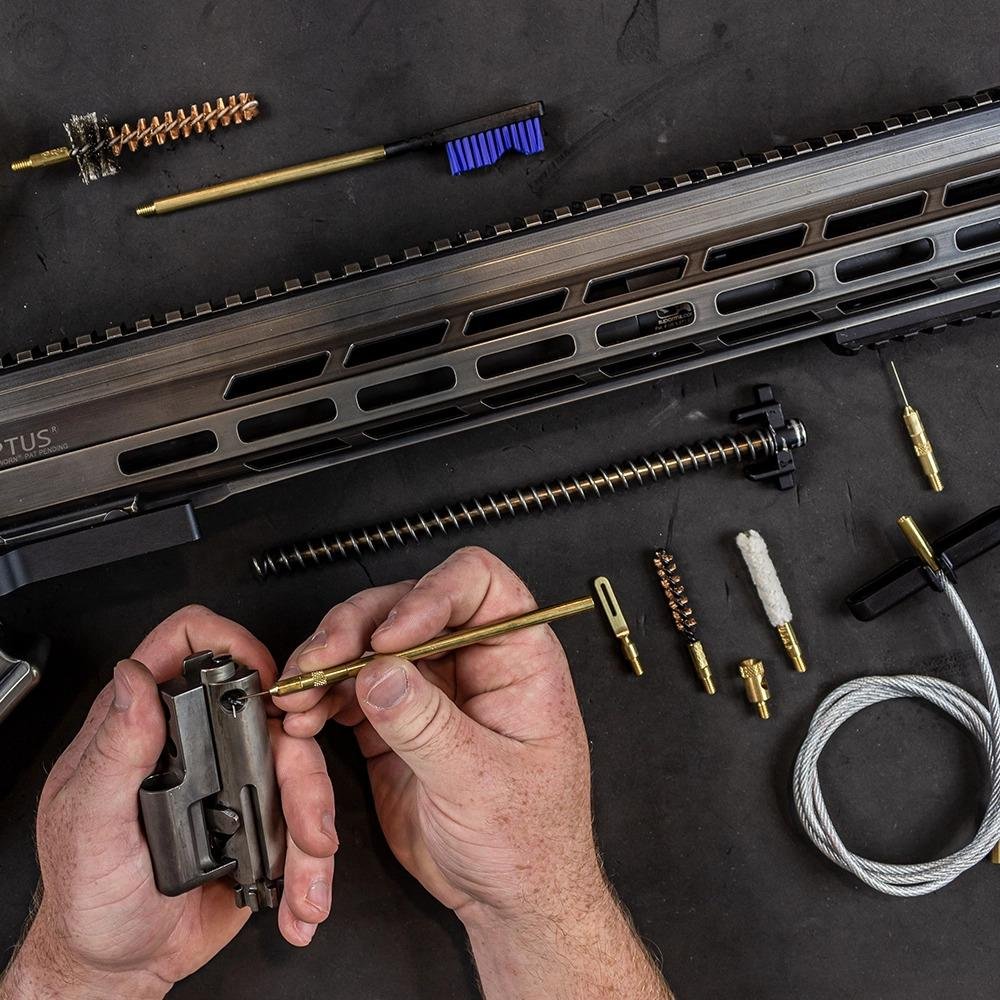
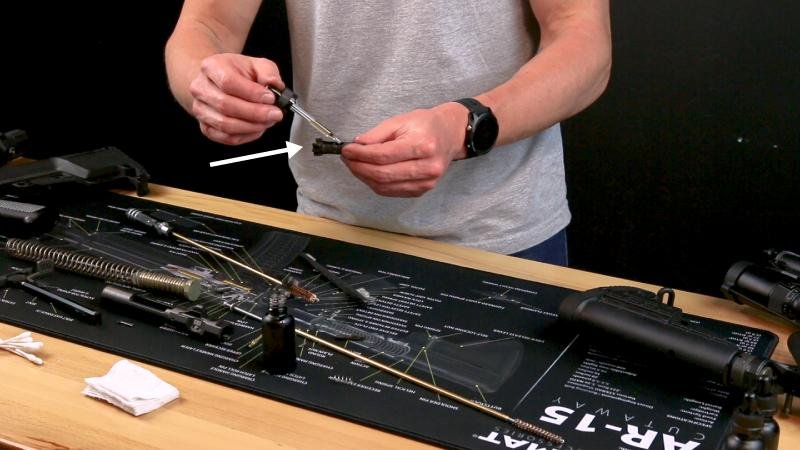
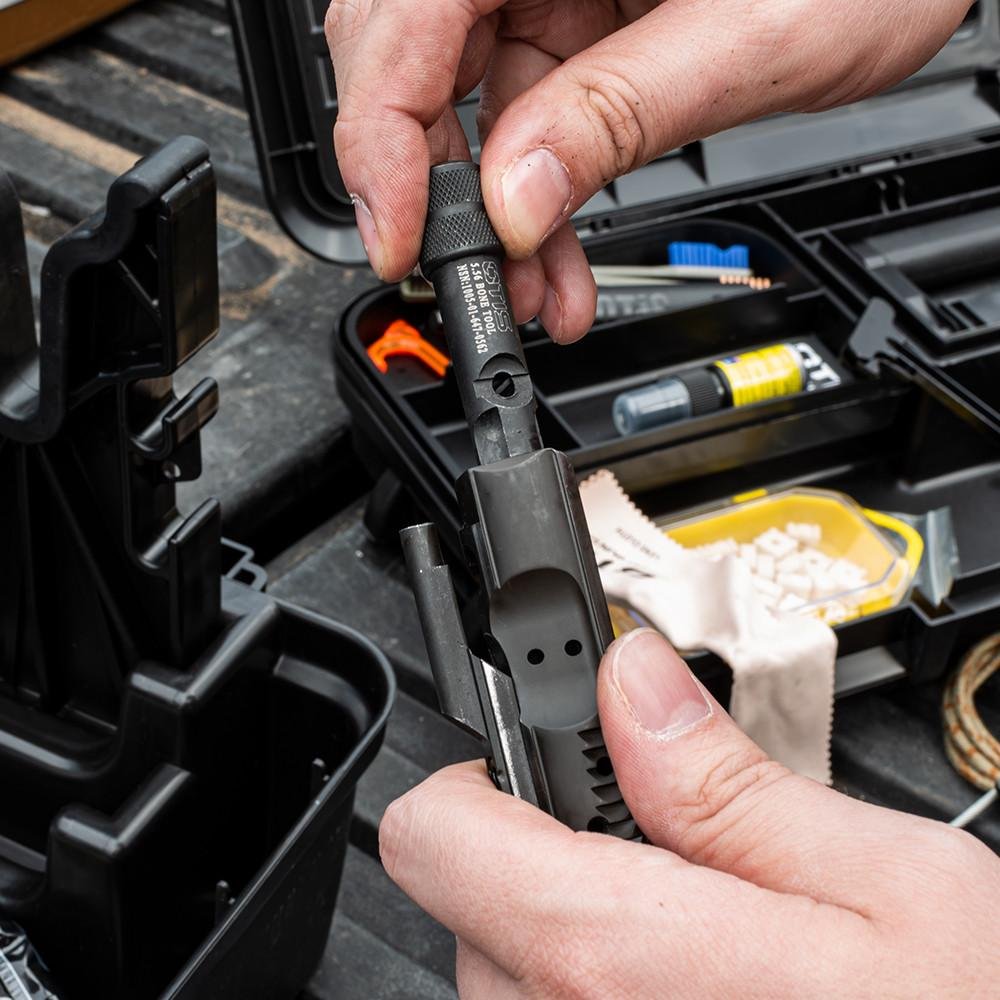
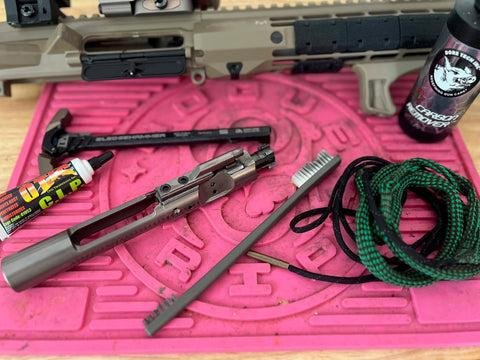
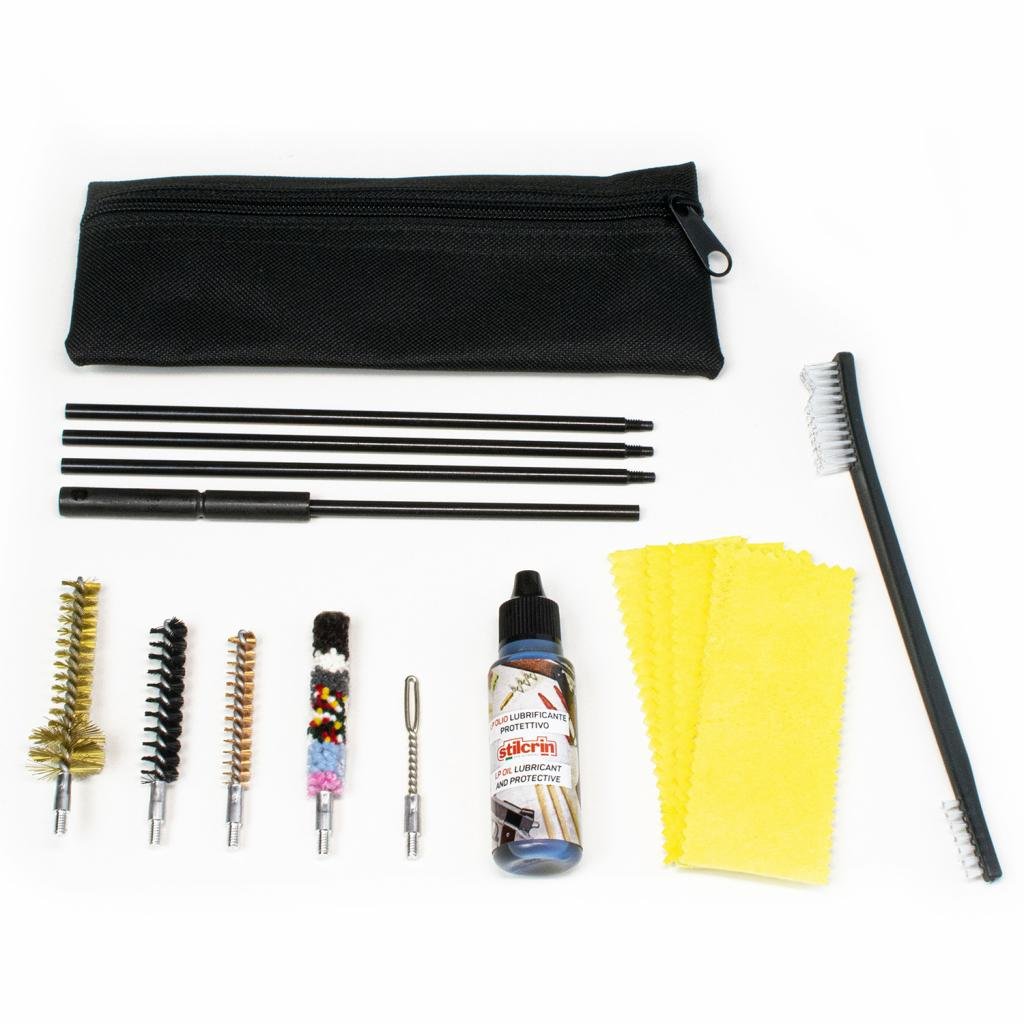
A nylon brush works well for removing carbon without unnecessarily scratching the metal surfaces.
Avoid using tools that can damage or gouge the BCG.
Step 1: Make Sure the Firearm Is Unloaded
Before removing or cleaning the BCG, verify that the firearm is unloaded.
Remove the magazine.
Open the action and visually and physically verify the chamber is clear.
Keep ammunition away from your cleaning area.
Once the firearm is confirmed safe, follow the manufacturer’s instructions for removing the BCG.
Step 2: Disassemble the Bolt Carrier Group
Place the BCG on your cleaning mat.
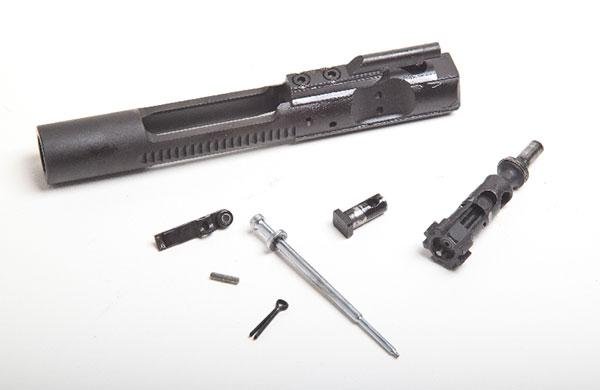
Separate the major components according to your firearm manufacturer’s instructions.
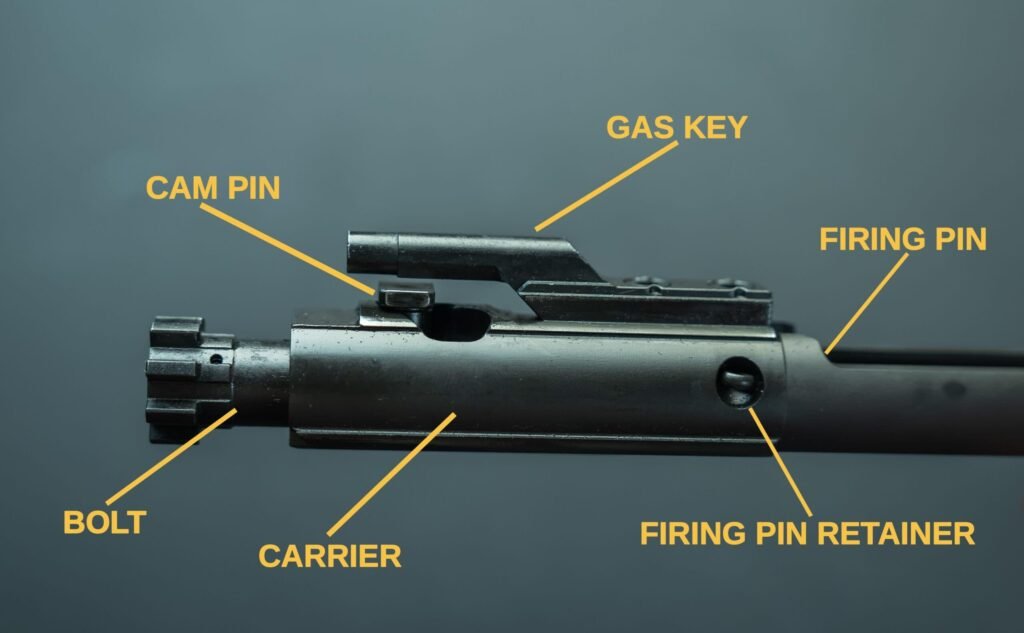
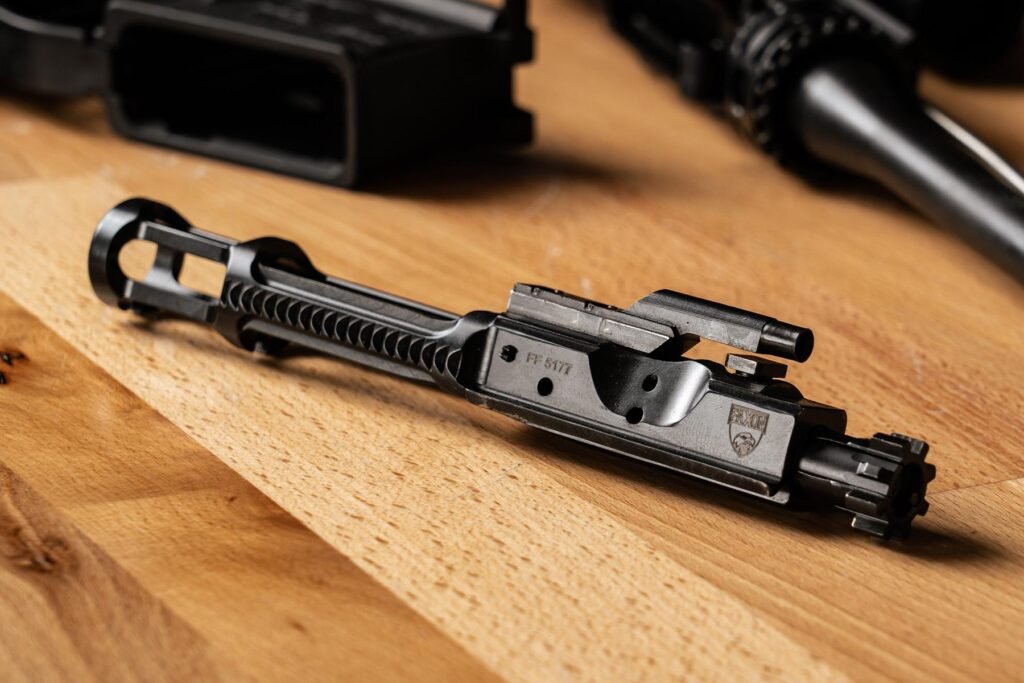
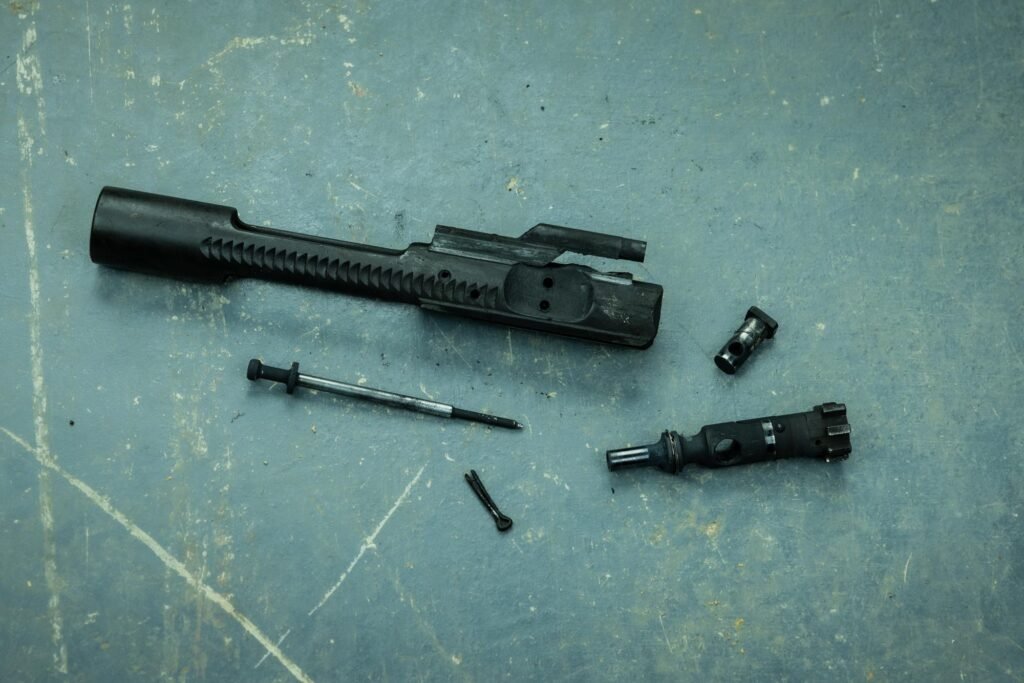
A typical AR-15 BCG includes:
- Bolt carrier
- Bolt
- Cam pin
- Firing pin
- Retaining pin
Keep the smaller parts organized so they are easy to identify during reassembly.
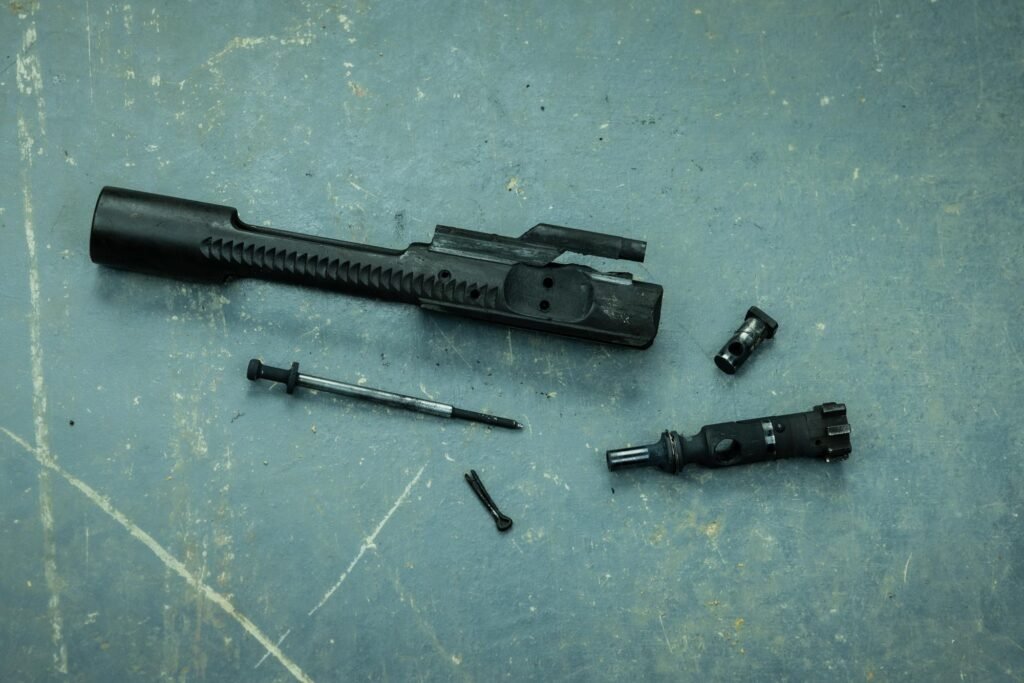
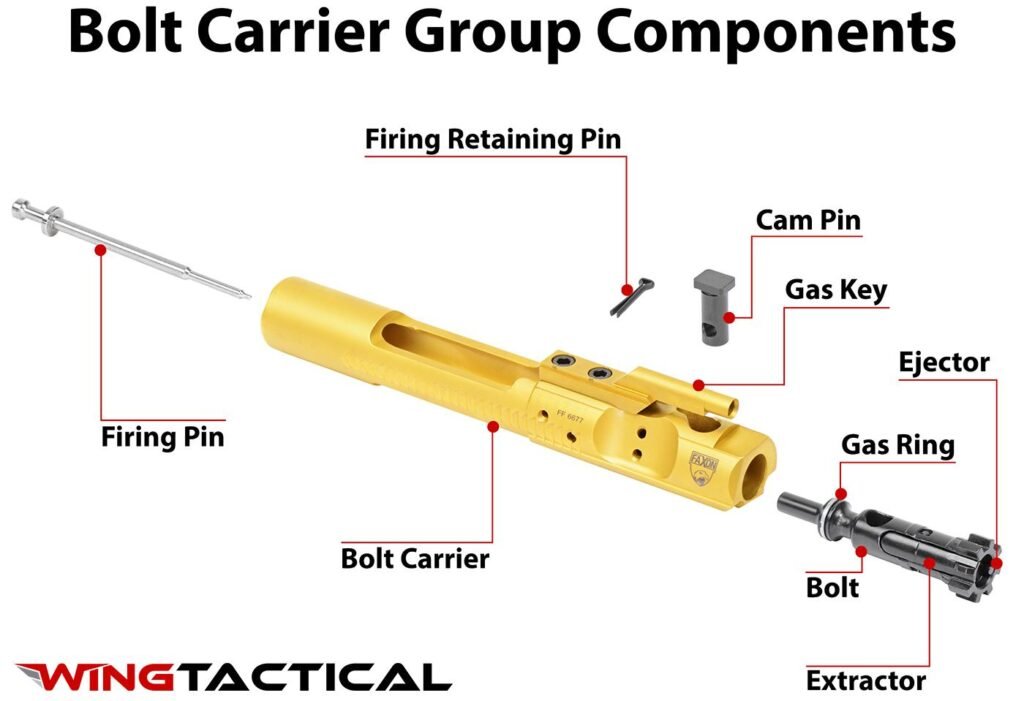
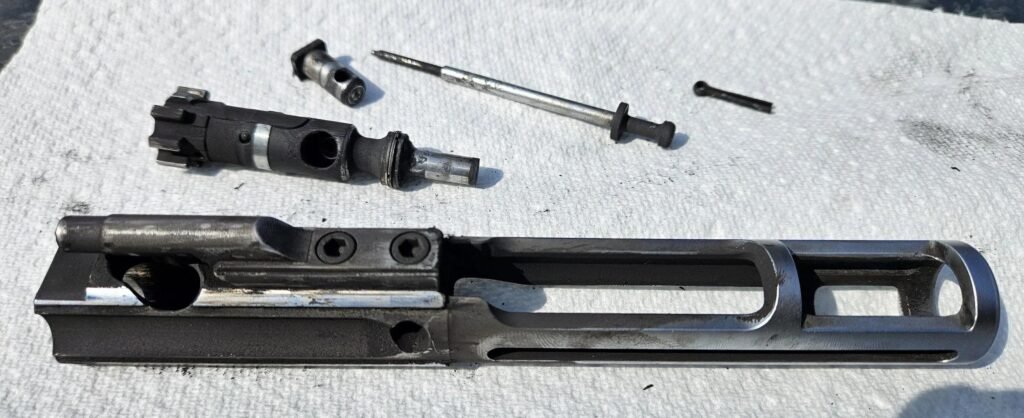
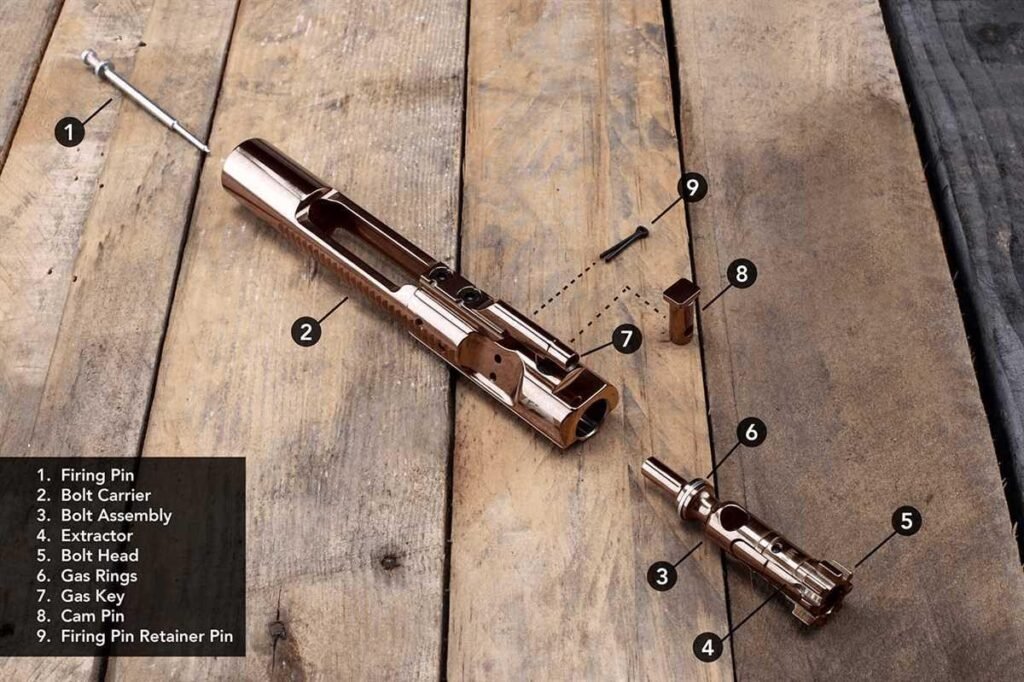
Tip: Take a photo of the assembled BCG before disassembly if you are unfamiliar with the parts.
Step 3: Remove Loose Carbon and Debris
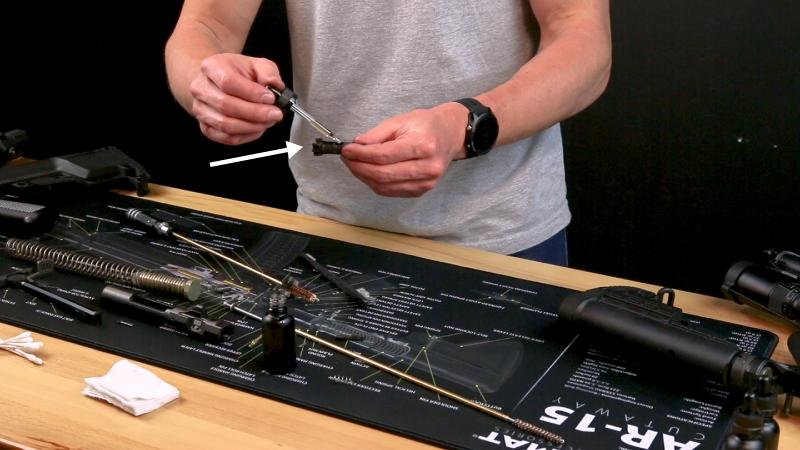
Start with a dry nylon brush.
Brush away loose carbon, dirt, and residue from the carrier and bolt.
Pay particular attention to areas where fouling tends to accumulate.
You don’t need to remove every dark mark. The goal is to remove harmful buildup while preserving the component’s surfaces.
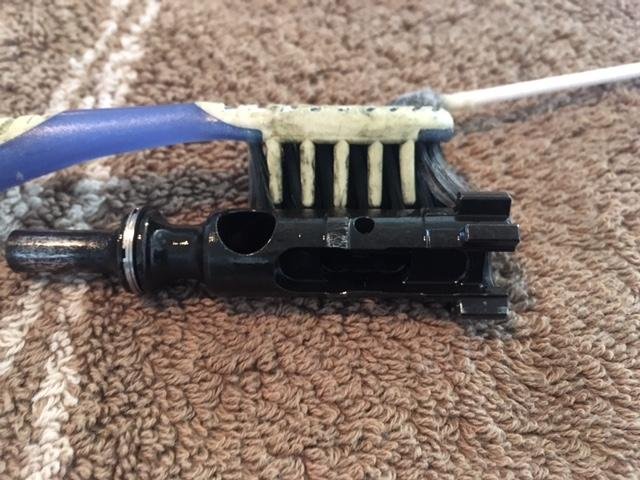
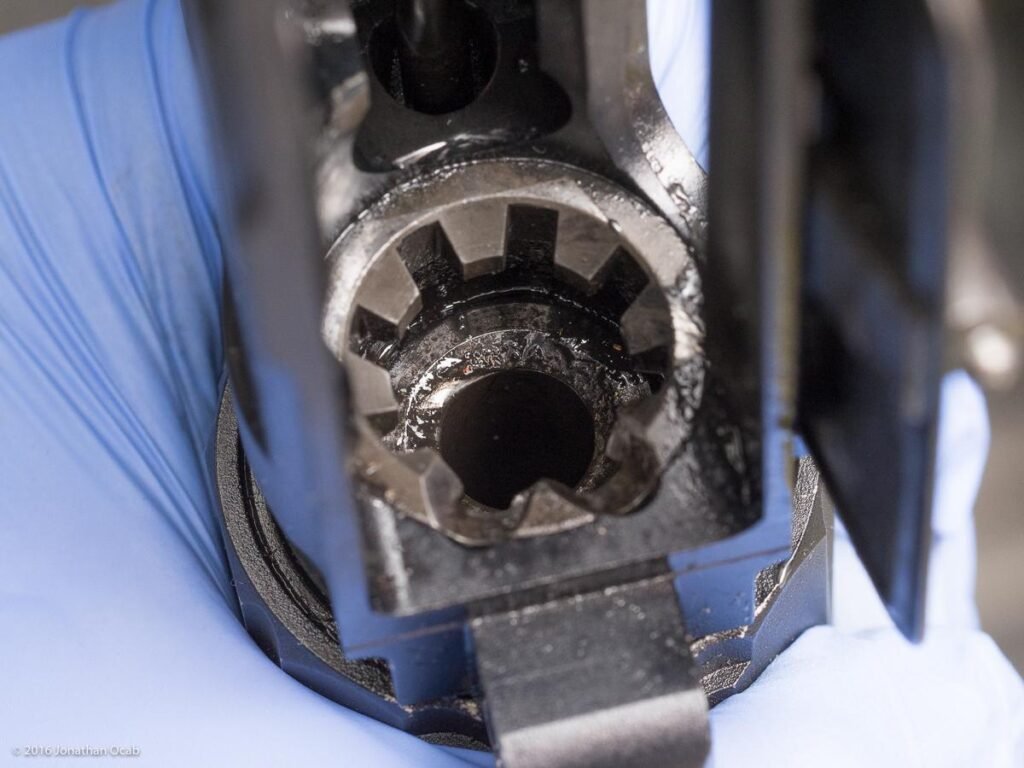
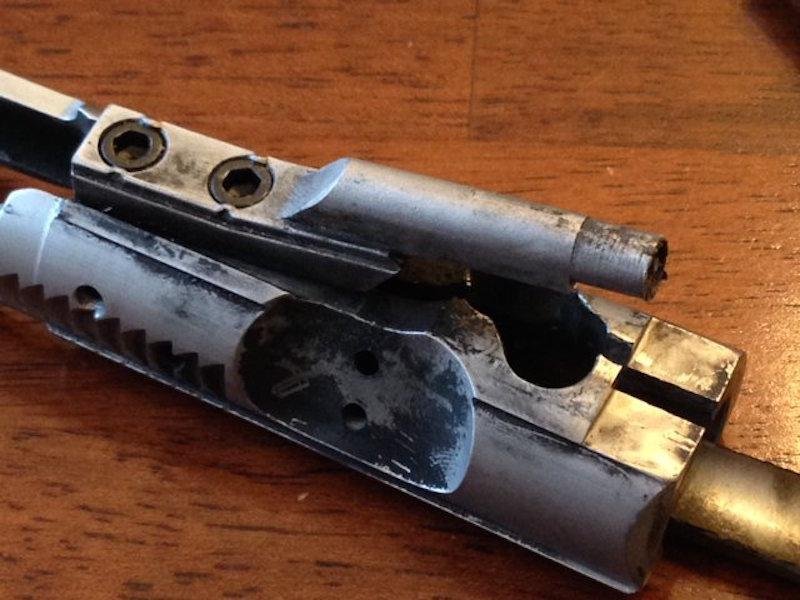
Heavy carbon buildup is often easiest to remove after it has been loosened with an appropriate firearm cleaning solvent.
Step 4: Clean the Bolt Carrier
Apply an appropriate firearm cleaning solvent to a cloth or cleaning brush.
Work around the exterior of the carrier.
Clean areas where carbon and residue have accumulated.
Use a smaller brush for difficult-to-reach areas.
Avoid forcing debris deeper into openings.
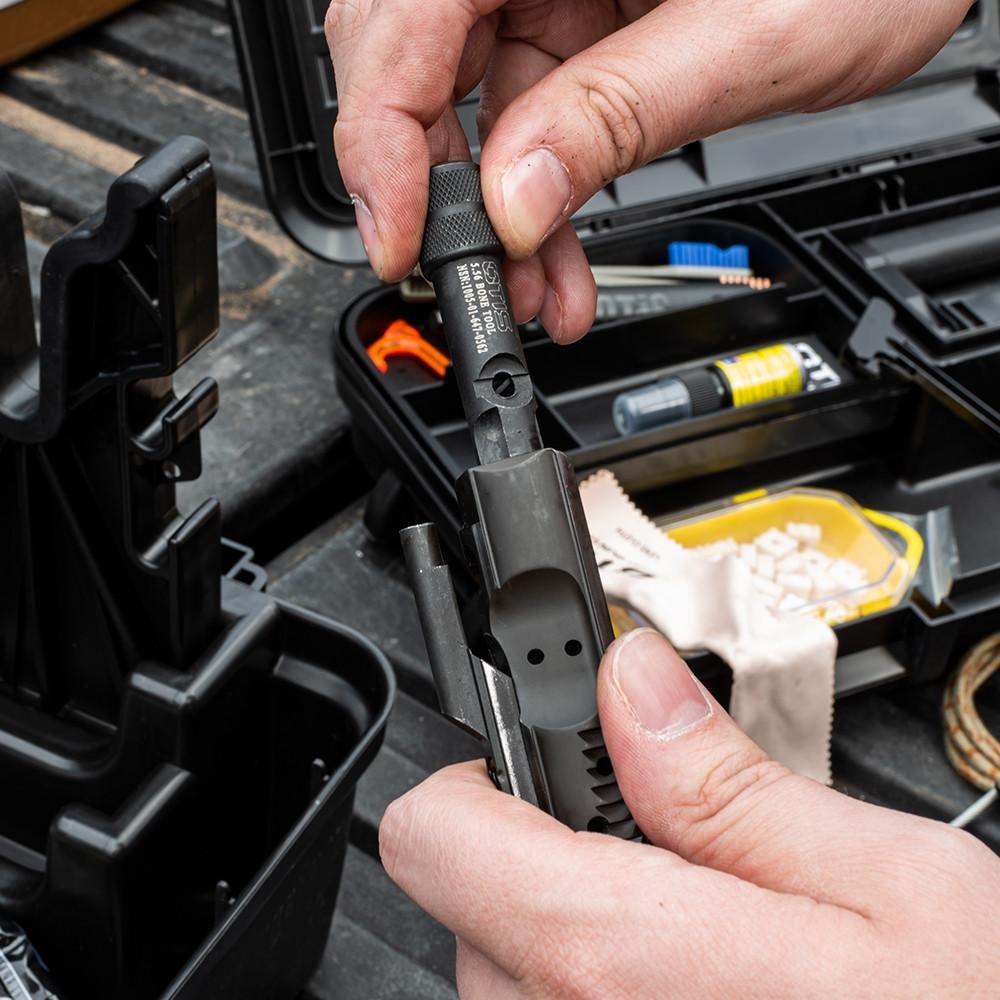
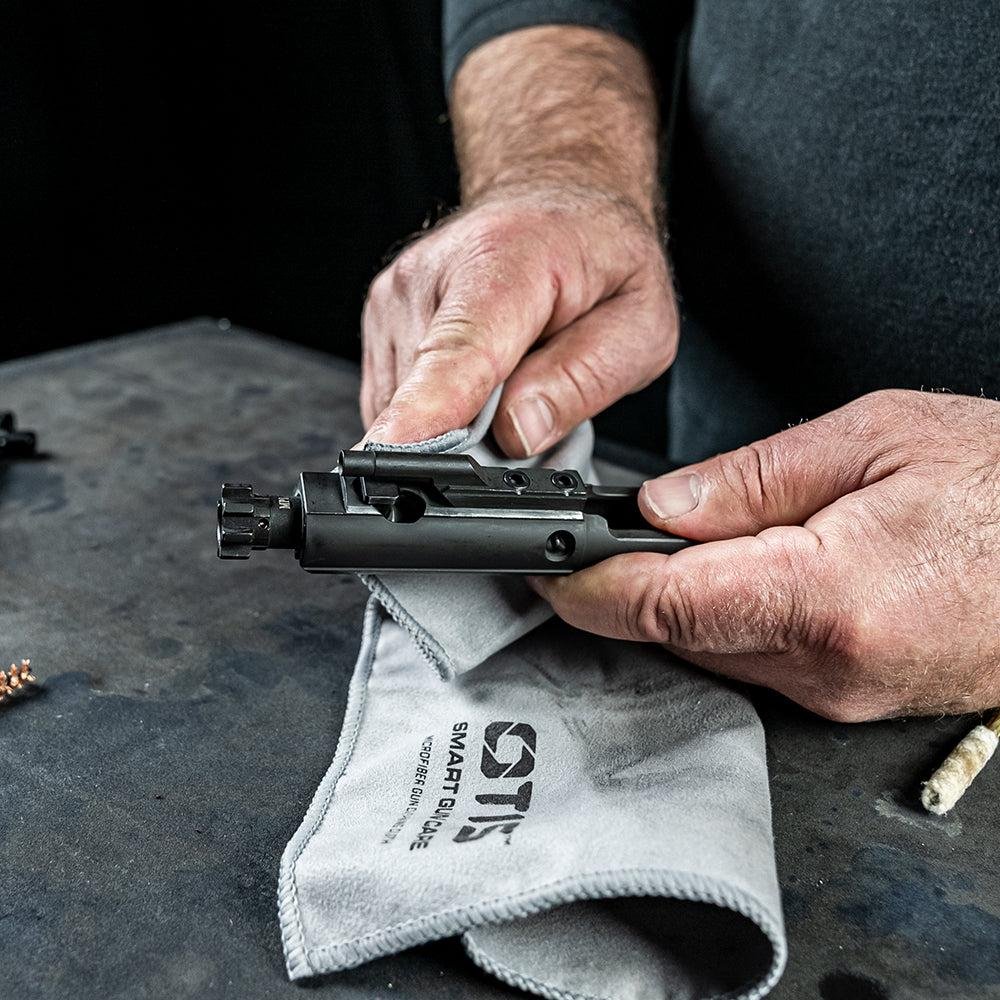
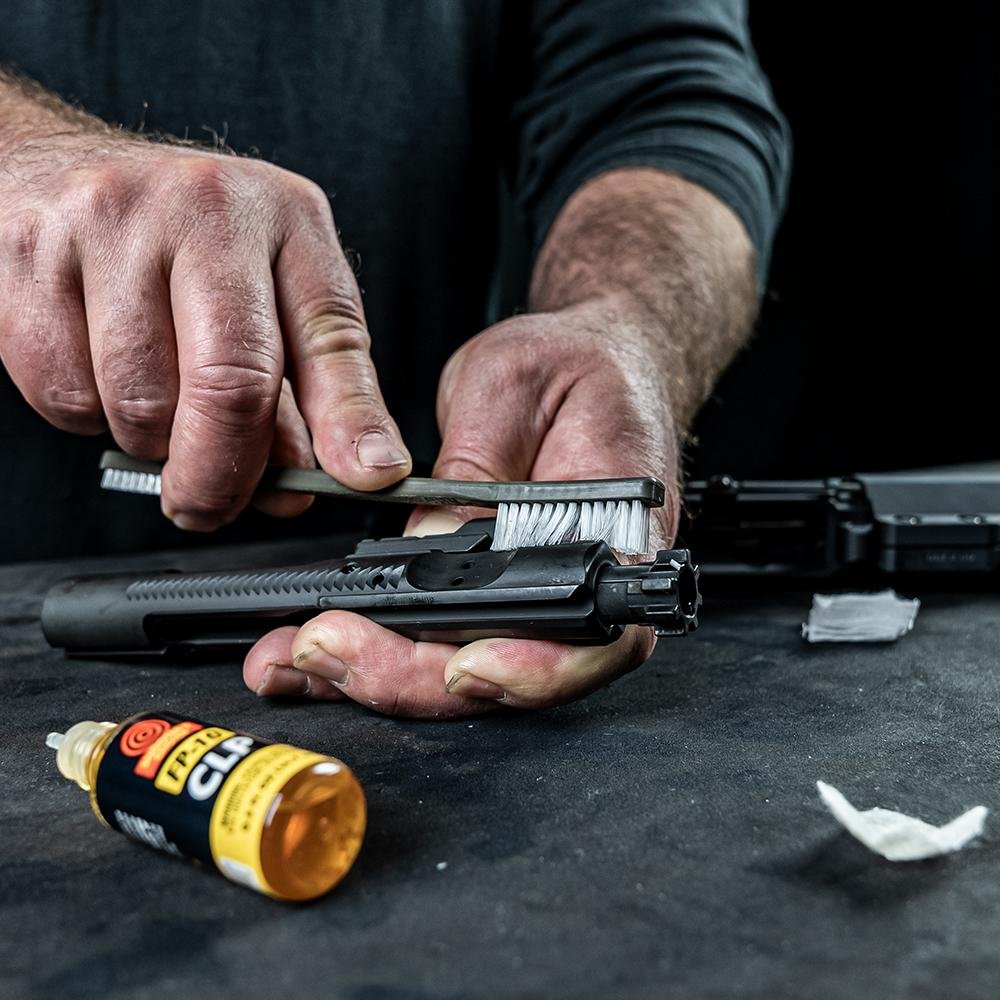
Wipe the carrier with a clean, lint-free cloth after cleaning.
Step 5: Clean the Bolt
The bolt deserves extra attention because carbon can build up around several of its surfaces.
Apply cleaning solvent as recommended by the product manufacturer.
Use a nylon brush to loosen carbon and residue.
Clean around the bolt body and other accessible surfaces.
Don’t aggressively scrape the bolt with a sharp metal object. A suitable brush and firearm cleaning solvent are generally sufficient for routine maintenance.
Step 6: Clean the Firing Pin and Cam Pin
Clean the firing pin with a cloth and appropriate solvent.
Remove visible residue and carbon.
Clean the cam pin in the same manner.
These components are small, so place them somewhere secure while cleaning.
Inspect them after they are clean.
Look for unusual wear, damage, cracks, or other issues.
If something appears damaged, consult the firearm manufacturer or a qualified gunsmith before using the firearm.
Step 7: Inspect the BCG
Cleaning gives you a good opportunity to inspect the BCG.
Check the:
- Bolt
- Carrier
- Cam pin
- Firing pin
- Retaining pin
Look for excessive wear, cracks, deformation, damaged surfaces, or anything that appears different from normal wear.
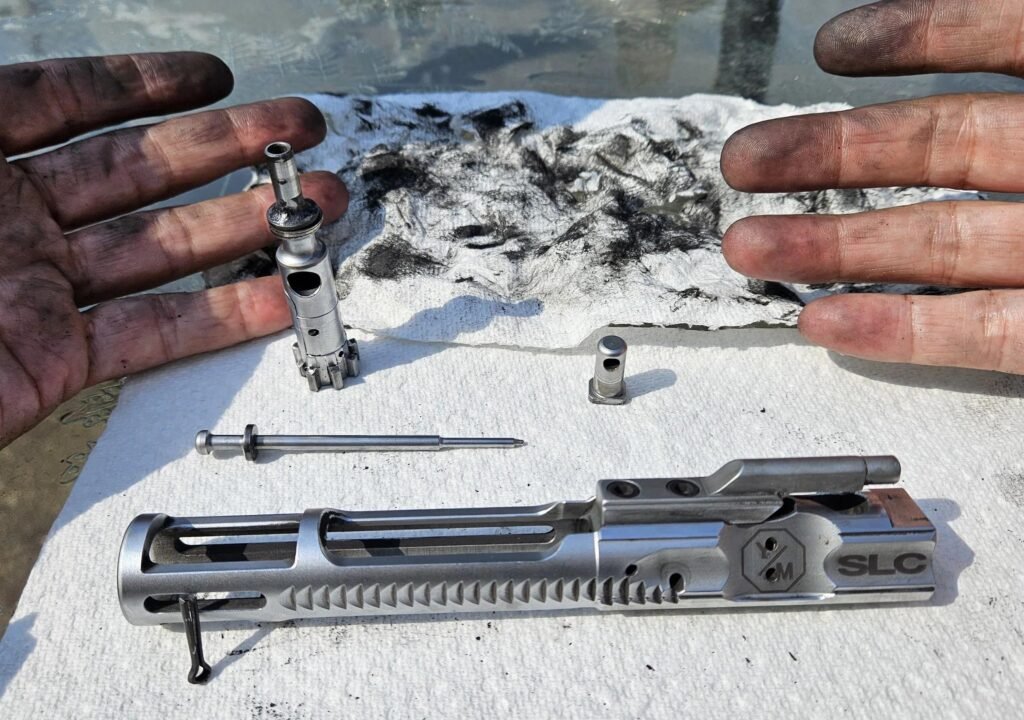
Cleaning isn’t only about removing dirt. It also gives you a chance to notice potential problems before continued use.
Step 8: Dry the Components
Once the parts are clean, wipe them thoroughly with a clean, lint-free cloth.
Make sure excess cleaning solvent has been removed.
Follow the instructions for the particular cleaning product you’re using.
The BCG should be clean and appropriately dry before lubrication.
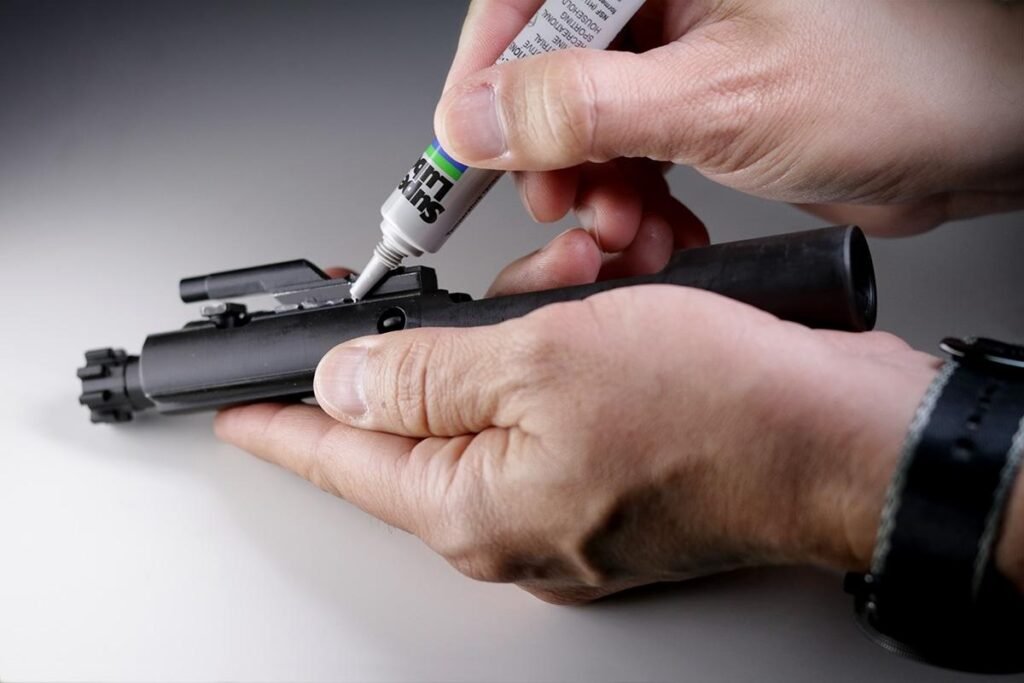
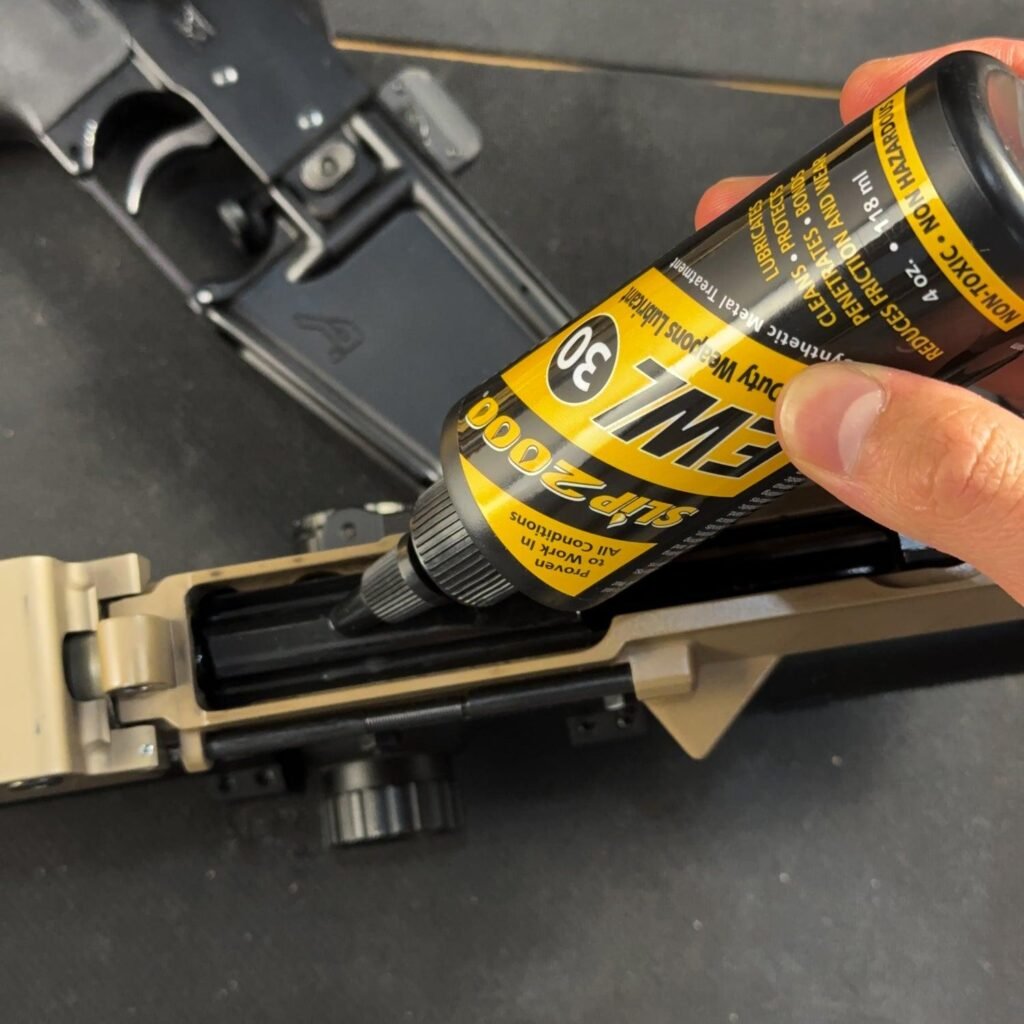
Step 9: Lubricate the BCG
Lubrication is an important part of AR-15 maintenance.
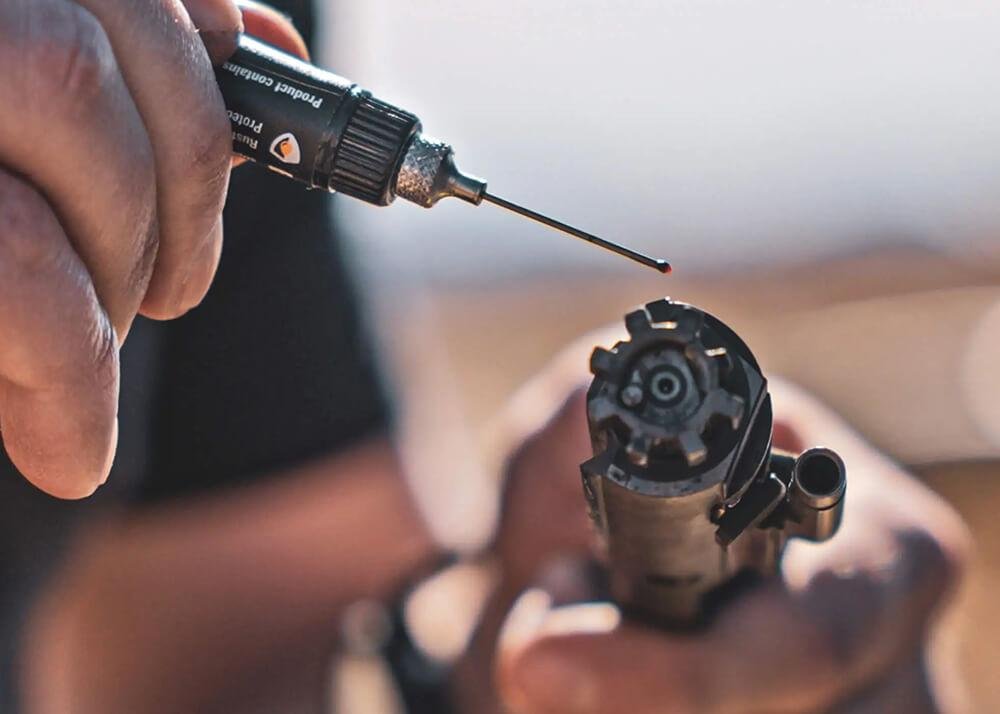
Apply firearm lubricant according to the rifle and lubricant manufacturer’s recommendations.
Use a light, even application rather than unnecessarily soaking the entire BCG.
Step 10: Reassemble the BCG
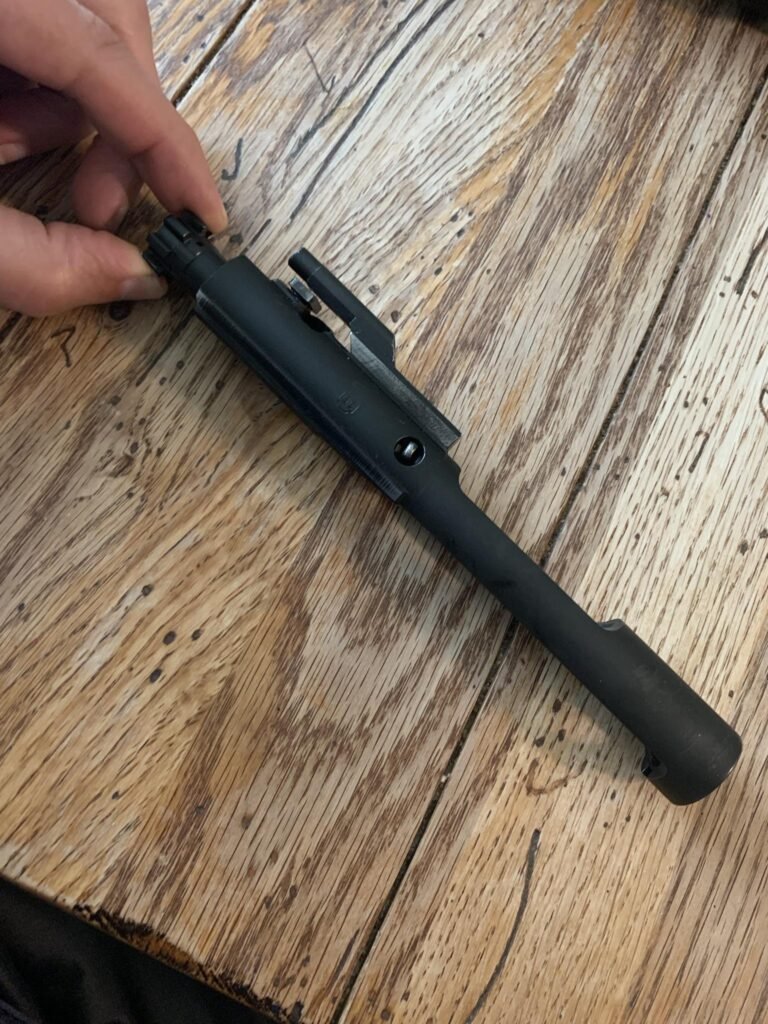
After cleaning, drying, and lubricating the components, reassemble the BCG according to the manufacturer’s instructions.
Make sure each component is correctly installed.
If you’re unfamiliar with BCG assembly, consult the firearm’s owner’s manual rather than guessing.
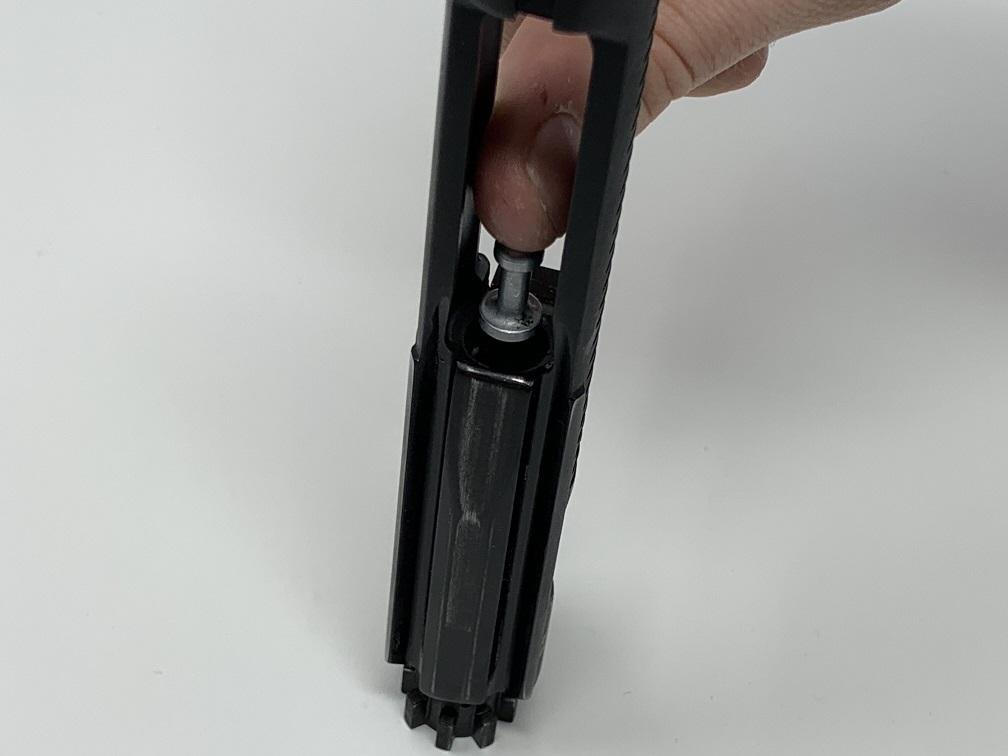
Once assembled, perform the appropriate safety and function checks specified by the firearm manufacturer.
Step 11: Give the BCG a Final Wipe
Use a clean cloth to remove excess lubricant from the exterior.
The finished BCG should look clean without being excessively wet with oil.
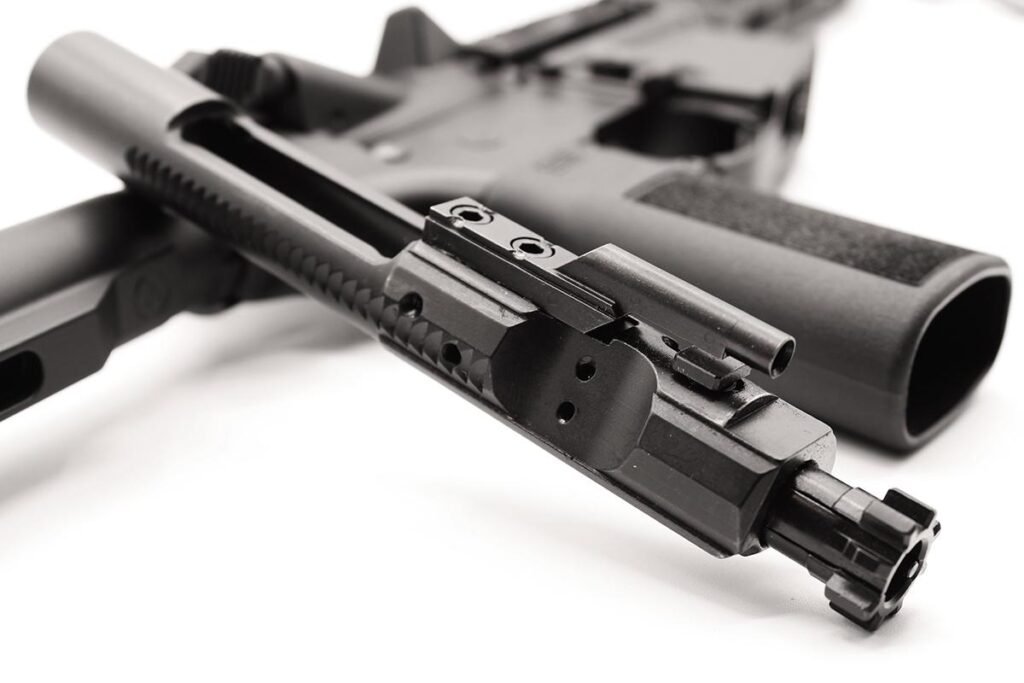
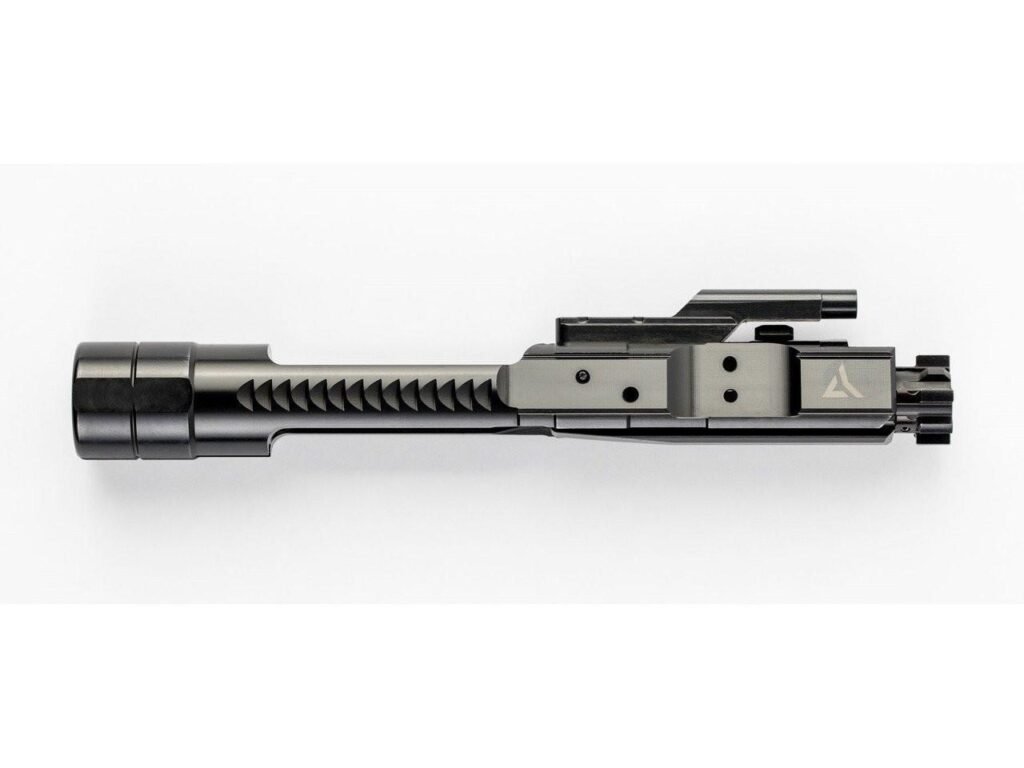
A clean BCG also makes future inspections easier because new carbon buildup is easier to identify.
How Often Should You Clean an AR-15 BCG?
There isn’t one cleaning schedule that works for every shooter.
How often you clean the BCG depends on factors such as:
- How frequently you shoot
- Ammunition
- Shooting conditions
- Storage conditions
- Firearm manufacturer’s recommendations
A rifle used regularly at the range may require more frequent cleaning than one used occasionally.
The important thing is to inspect the BCG regularly and clean it when fouling or residue warrants maintenance.
Common AR-15 BCG Cleaning Mistakes
Using excessive force
Carbon can be stubborn, but aggressive scraping can damage surfaces.
Use appropriate brushes and cleaning products.
Using the wrong chemicals
Not every household cleaner is suitable for firearm components.
Use products intended for firearm maintenance and follow their instructions.
Over-lubricating
More lubricant isn’t always better.
Excess lubricant can collect dirt and fouling.
Losing small components
The cam pin, firing pin, and retaining pin are easy to misplace.
Keep them together during cleaning.
Skipping inspection
A deep clean is a good opportunity to inspect the BCG.
Don’t focus only on making the parts look clean.
How to Keep Your Bolt Carrier Group Cleaner
Regular maintenance can make deep cleaning easier.
After shooting, remove excessive residue when appropriate and store the firearm according to the manufacturer’s recommendations.
Keep your cleaning supplies organized so routine maintenance doesn’t become a chore.
A dedicated firearm cleaning setup can also help keep solvent, brushes, patches, and lubricant in one place.
Frequently Asked Questions
How do I clean an AR-15 bolt carrier group?
Unload the firearm, remove and disassemble the BCG according to the manufacturer’s instructions, remove carbon and residue with appropriate cleaning products and brushes, inspect the components, dry them, lubricate them, and reassemble the BCG.
What is the best way to remove carbon from an AR-15 BCG?
Use an appropriate firearm cleaning solvent and a nylon brush. Allow the cleaning product to work according to its instructions before brushing away loosened carbon.
Should I completely remove all carbon from my BCG?
Routine cleaning does not necessarily require making every surface look brand new. Focus on removing excessive fouling and maintaining the component properly.
Should an AR-15 BCG be lubricated?
Follow your firearm manufacturer’s recommendations. Proper lubrication is an important part of routine maintenance, but excessive lubricant can attract additional fouling.
How often should I clean my AR-15 BCG?
Cleaning frequency depends on use, ammunition, conditions, and the manufacturer’s recommendations. Inspect the BCG regularly and clean it when fouling warrants maintenance.
Keep Your AR-15 Maintenance Routine Simple
A clean BCG makes inspection and routine maintenance easier.
You don’t need an elaborate process. Use the right cleaning products, appropriate brushes, a clean work surface, and follow the firearm manufacturer’s instructions.
For more firearm maintenance and cleaning guides, explore the Button Land blog for practical information on cleaning equipment, muzzle devices, and firearm maintenance.