
This guide is written to explain how to use a solvent trap safely for its intended purpose: capturing cleaning solvent and residue during firearm maintenance. A solvent trap is designed to attach to a compatible threaded barrel and collect solvent and carbon fouling as it exits the muzzle, helping keep your workspace cleaner.
What You’ll Need
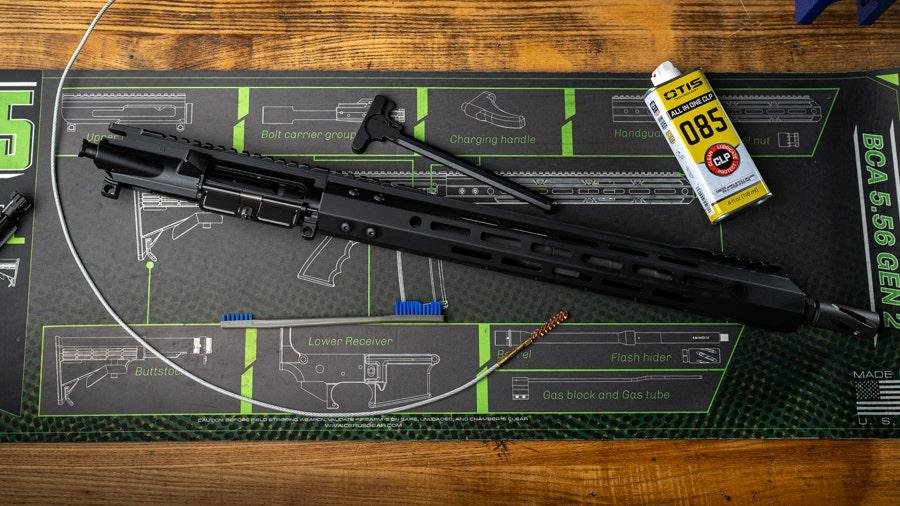
Before you begin, gather the right cleaning tools.
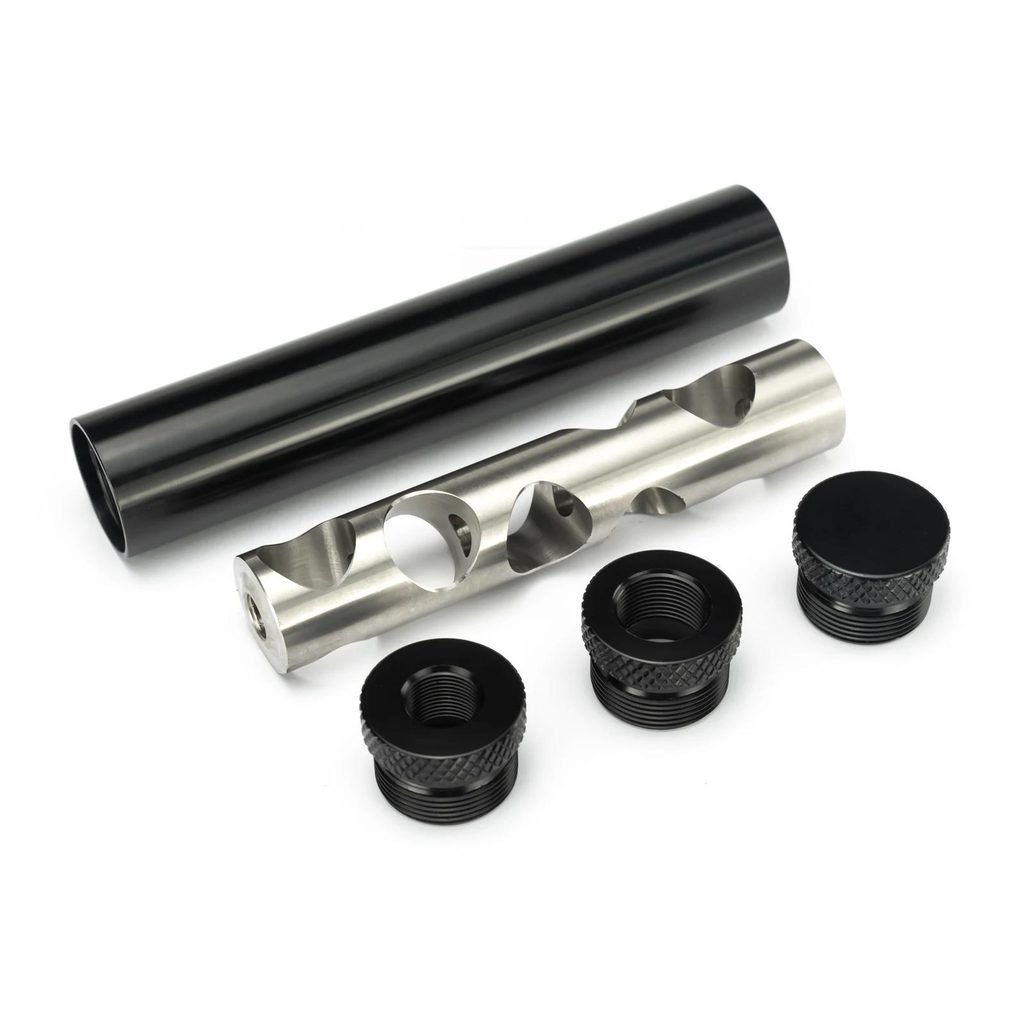
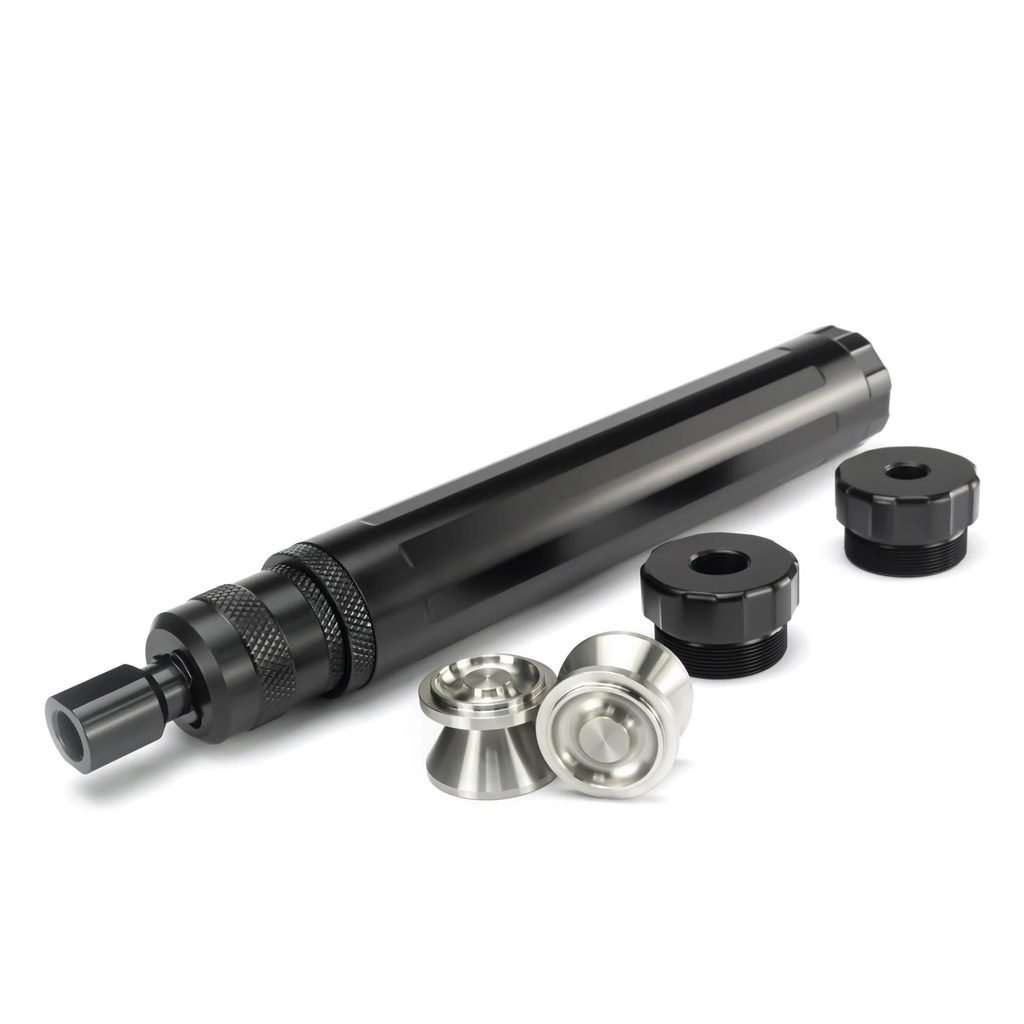
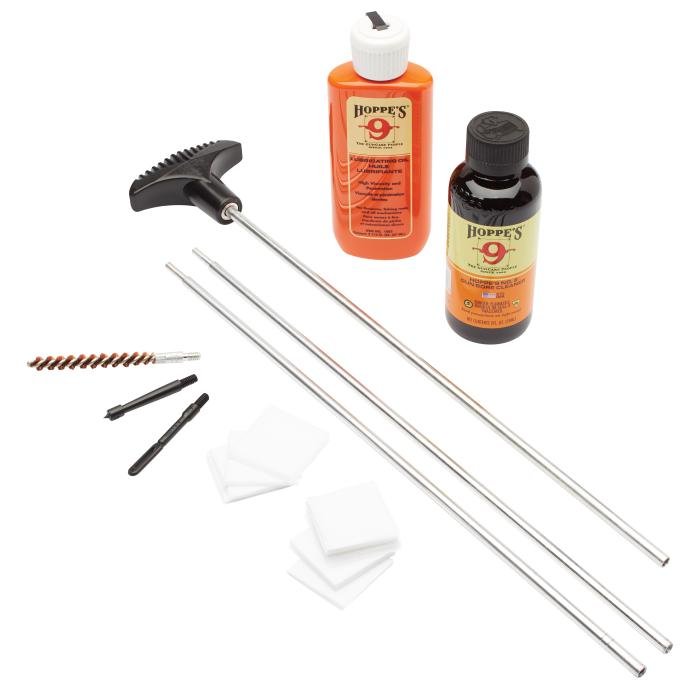
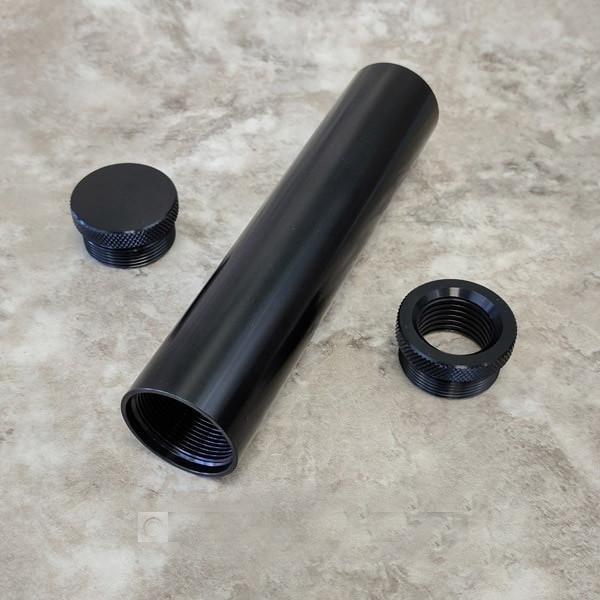
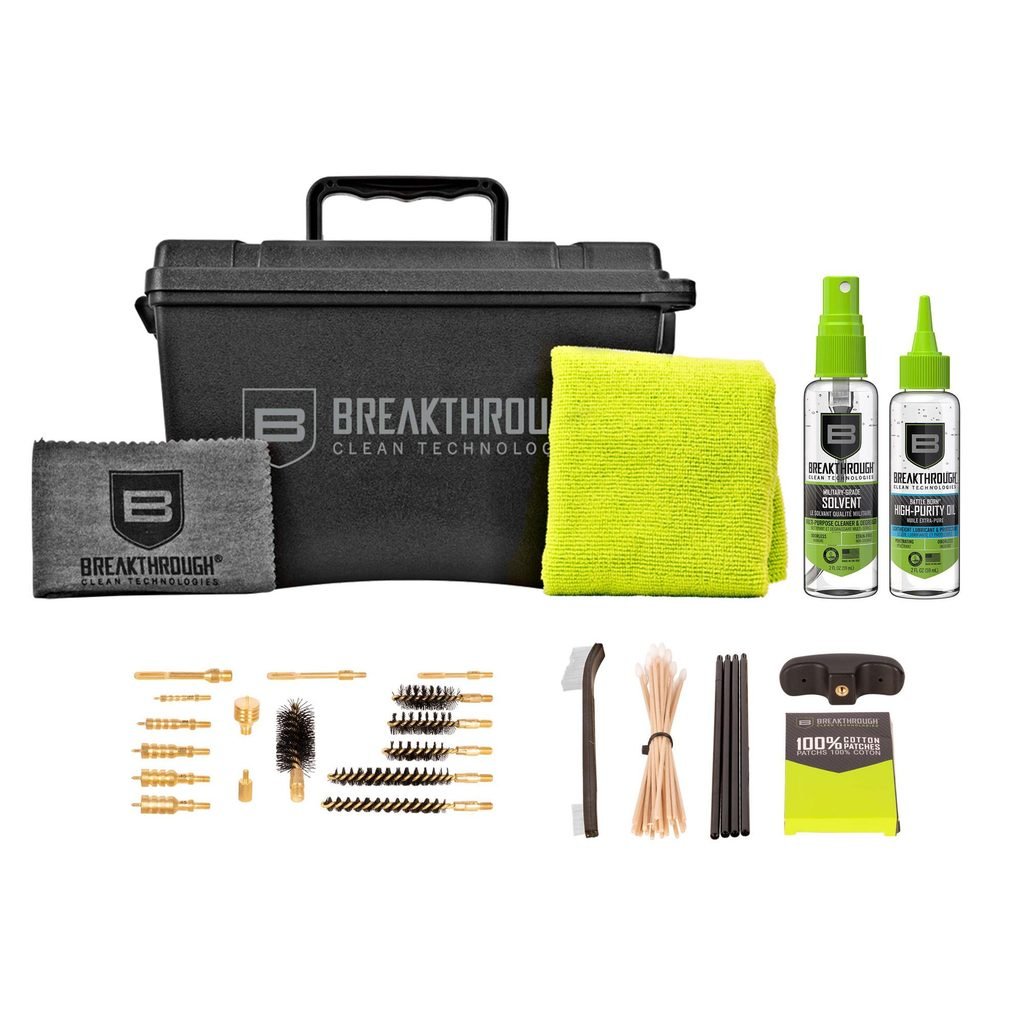
You will need:
- A Solvent trap compatible with your barrel thread.
- Bore cleaning solvent.
- Cleaning rod or pull-through cleaning cable.
- Bore brush matched to your firearm caliber.
- Cotton cleaning patches.
- Nylon cleaning brush.
- Gun lubricant or CLP.
- Microfiber cloth or shop towels.
DIY Tip: Lay down a cleaning mat or old towel before you start.
Step 1: Make Sure the Firearm Is Completely Unloaded
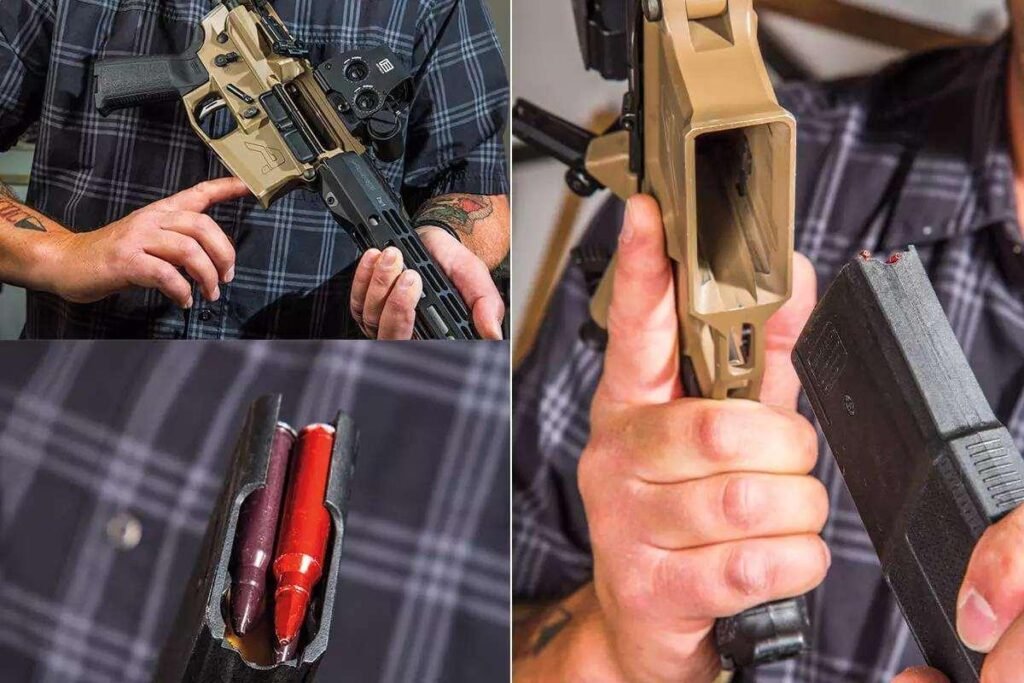
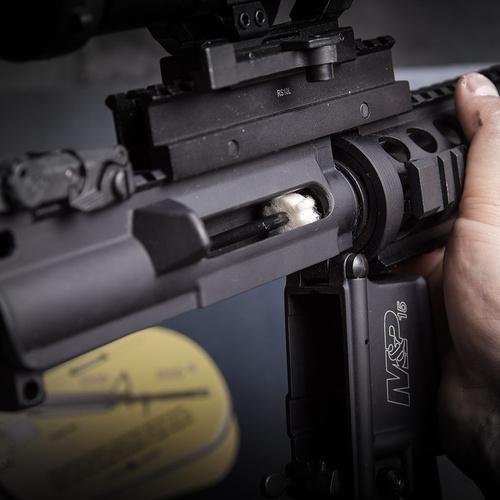
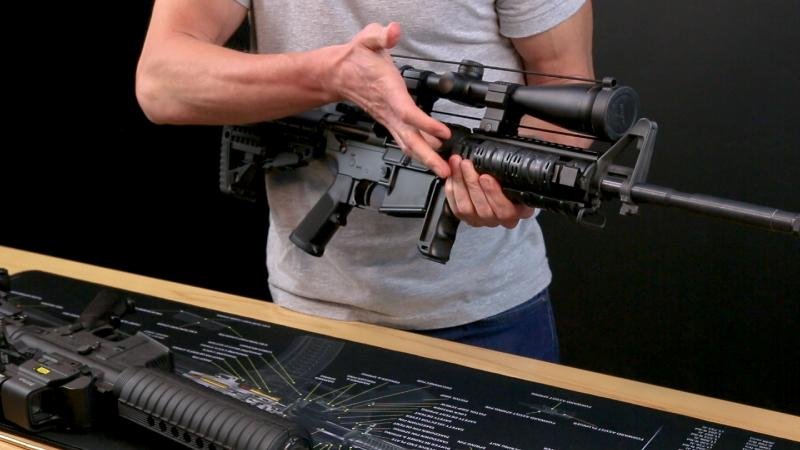
Safety always comes first.
- Remove the magazine.
- Open the action.
- Visually inspect the chamber.
- Physically confirm the chamber is empty.
- Keep all ammunition away from your cleaning area.
Work in a well-ventilated space with good lighting.
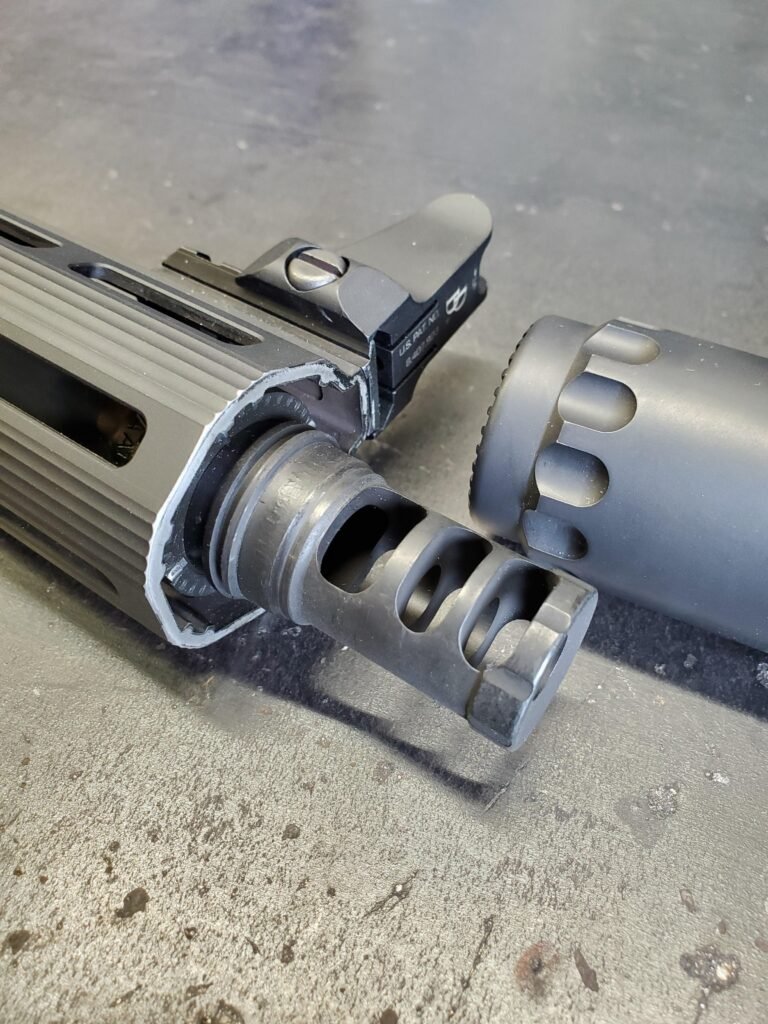
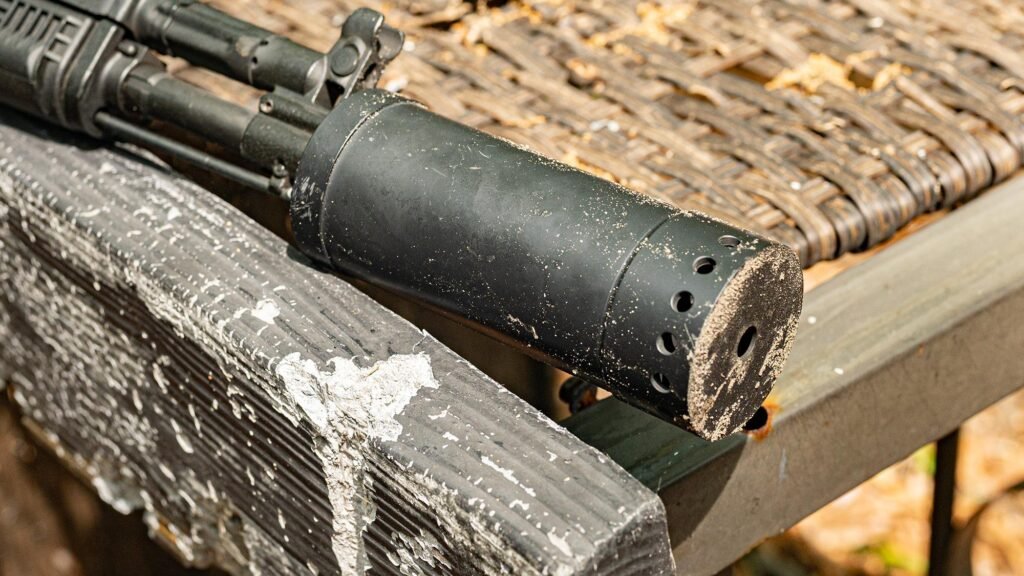
Step 2: Attach the Solvent Trap to the Barrel
Step 3: Apply Bore Solvent
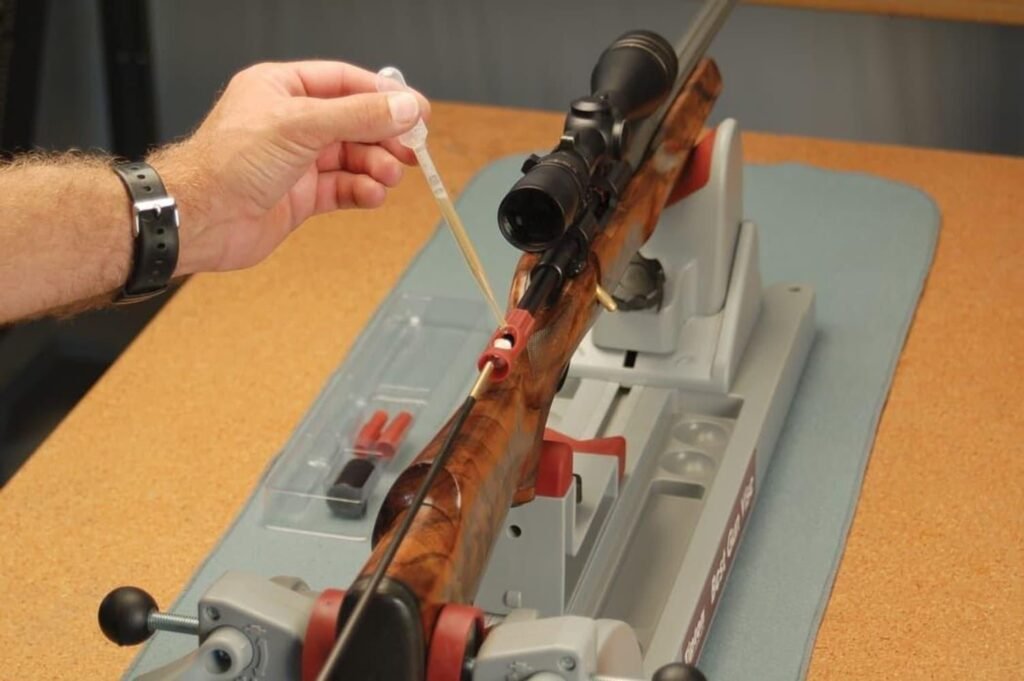
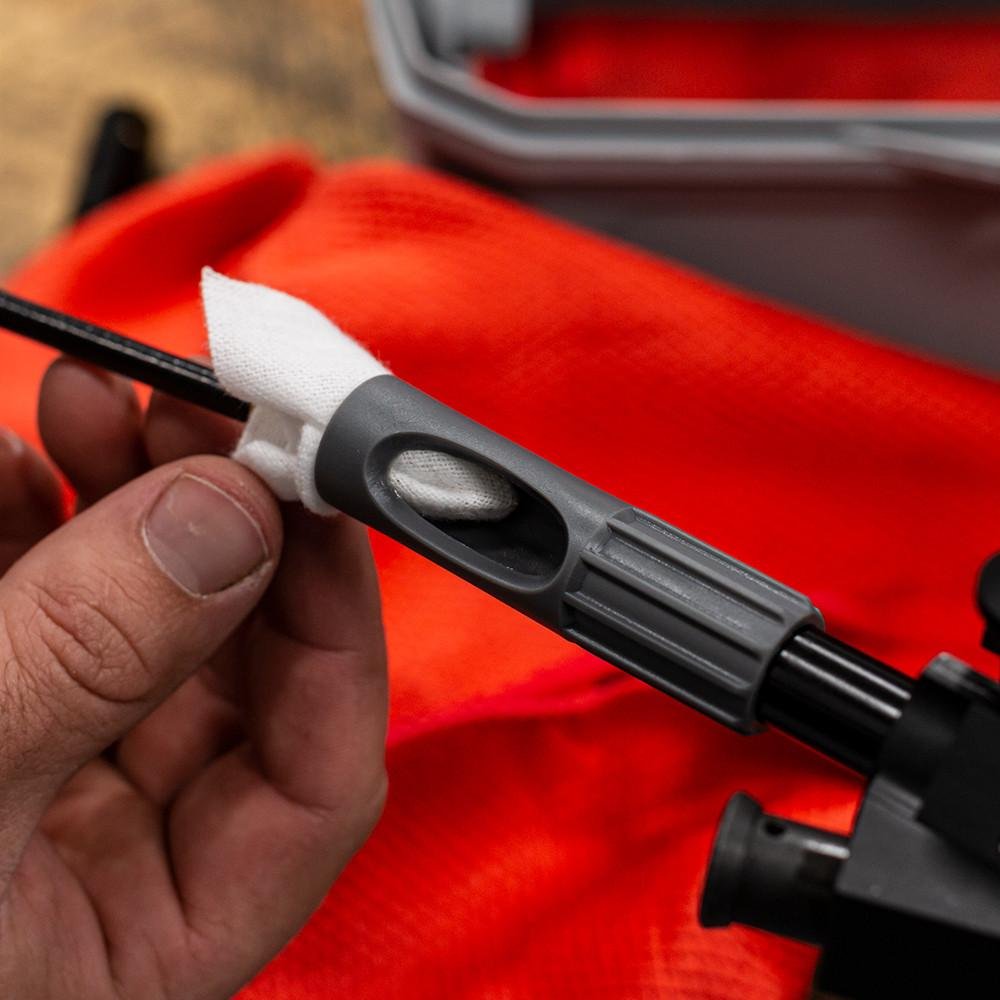
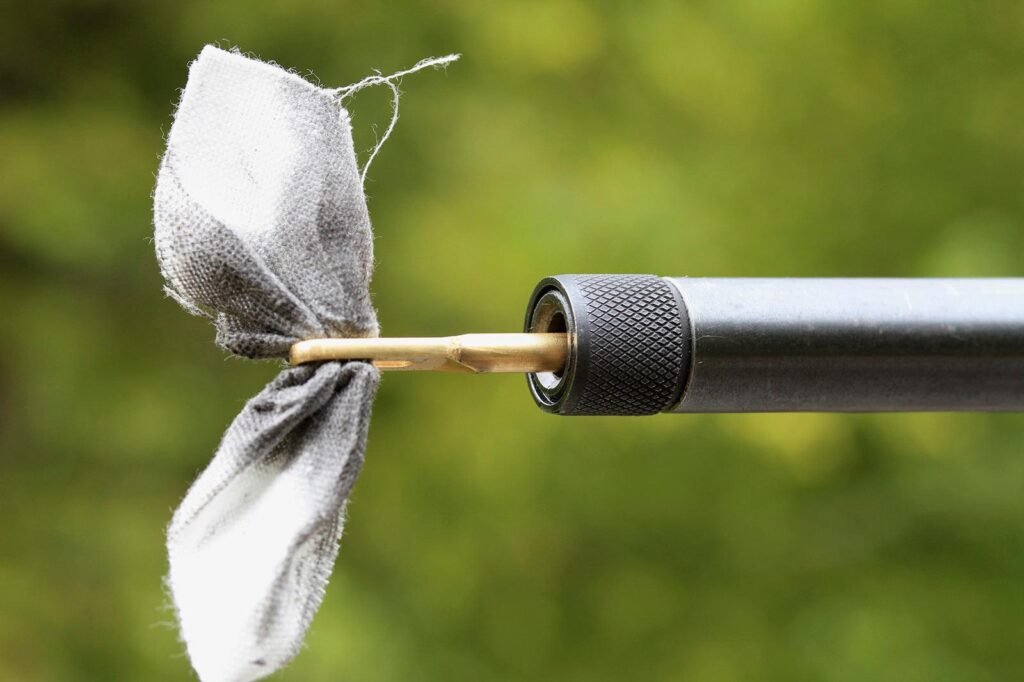
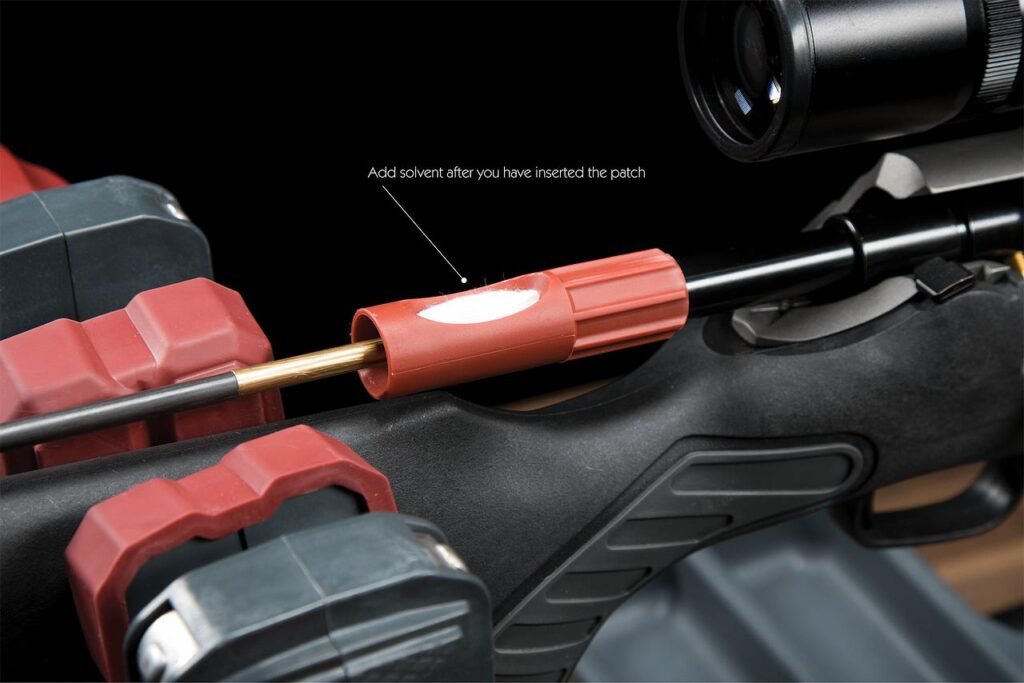
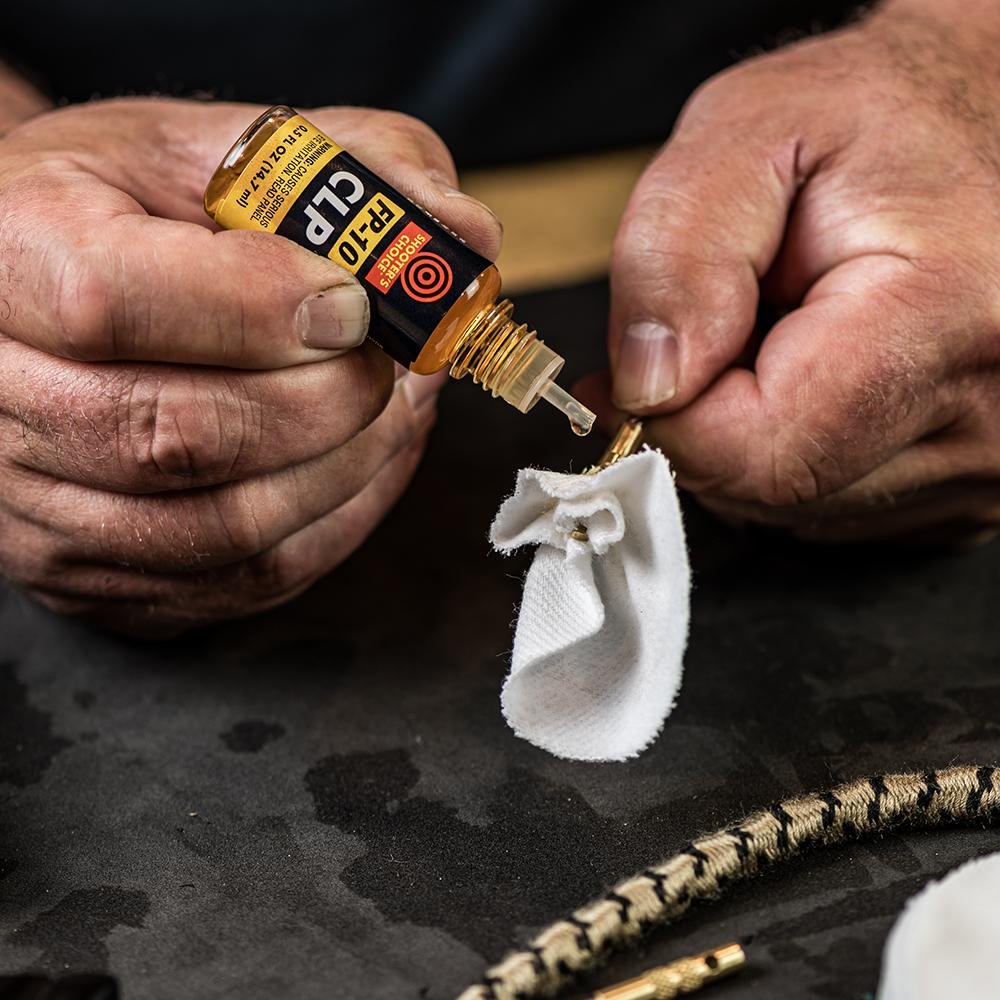
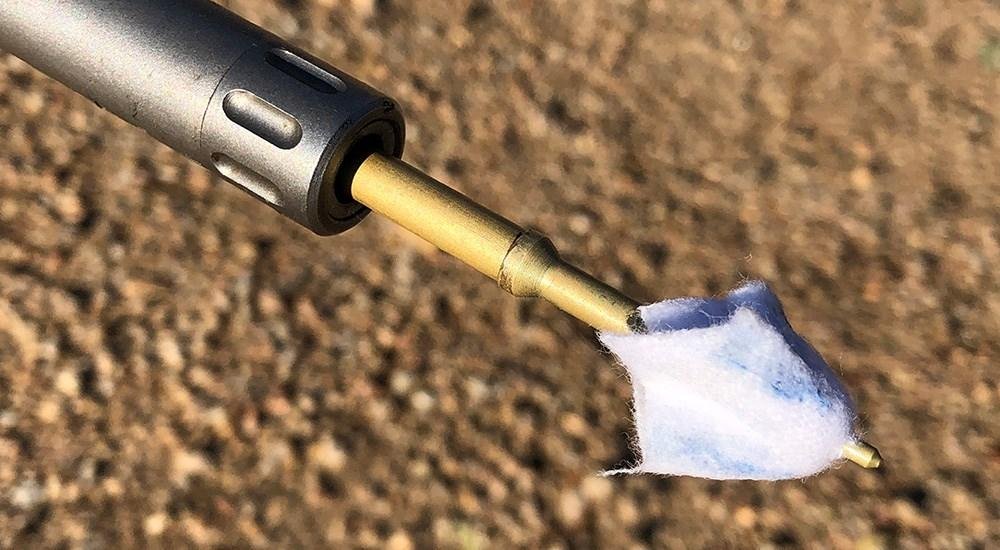
Wet a clean patch with bore solvent.
Push the patch through the barrel from the chamber toward the muzzle whenever your firearm design allows. This direction helps protect the crown and pushes fouling out of the barrel.
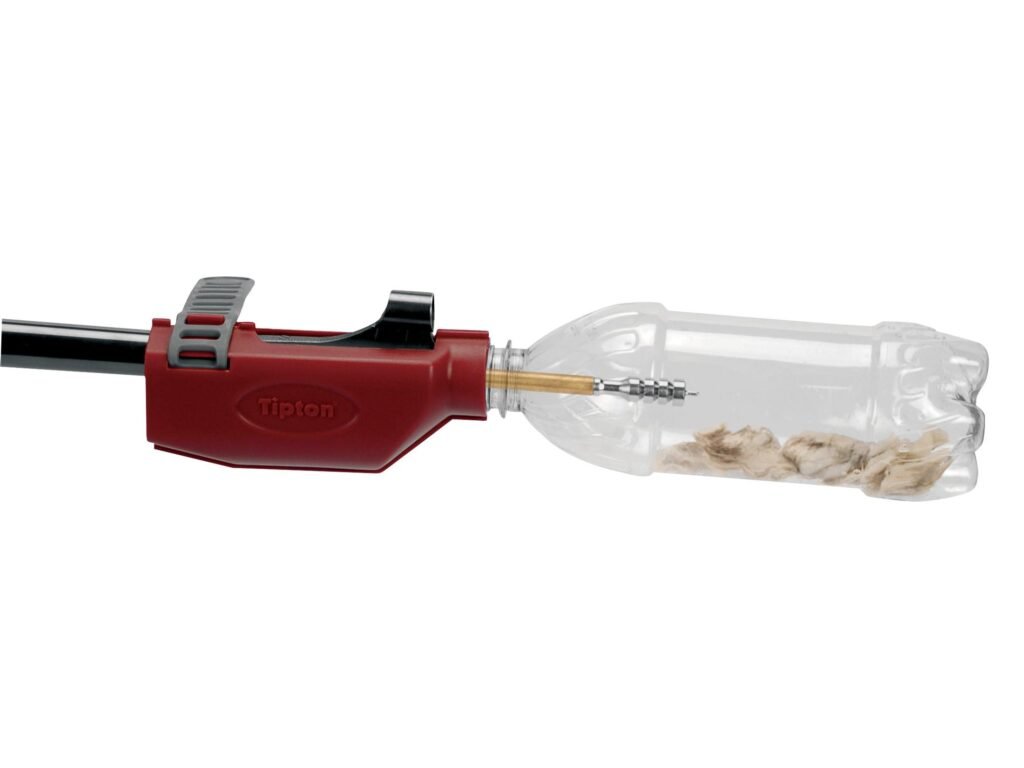
The dirty solvent drains directly into the solvent trap instead of onto your bench.
Let the solvent sit for 3–5 minutes to loosen carbon buildup.
Step 4: Scrub the Bore
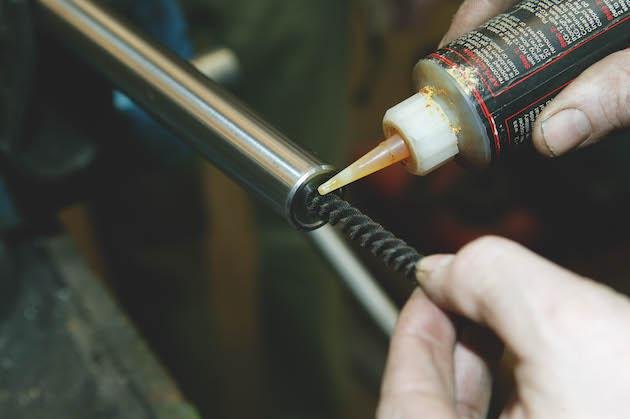
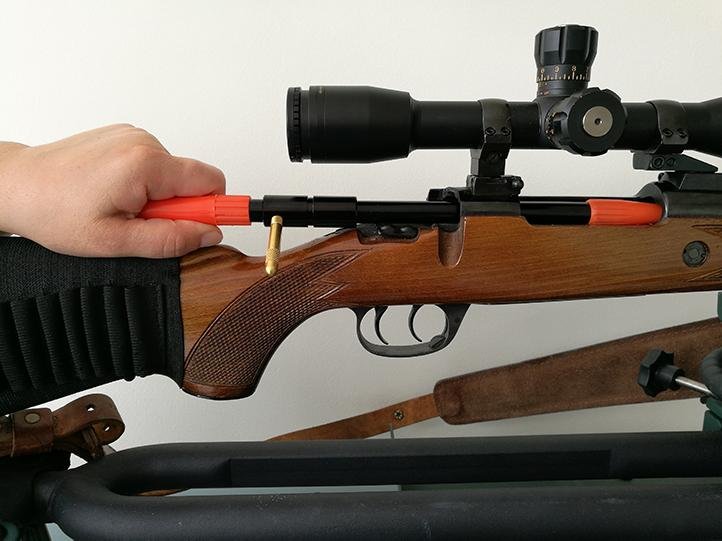
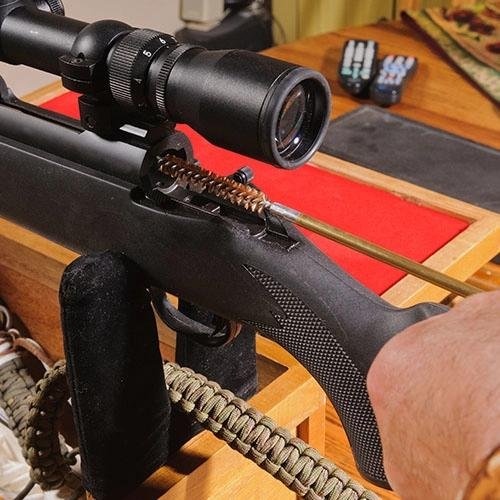
Replace the patch holder with a bore brush.
Run the brush through the barrel 3–5 times using smooth, full-length passes.
Best practice:
- Push the brush completely through the barrel before reversing direction.
- Use the correct brush size for your caliber.
This loosens carbon, powder residue, and fouling inside the bore.
Step 5: Push Clean Patches Through the Barrel
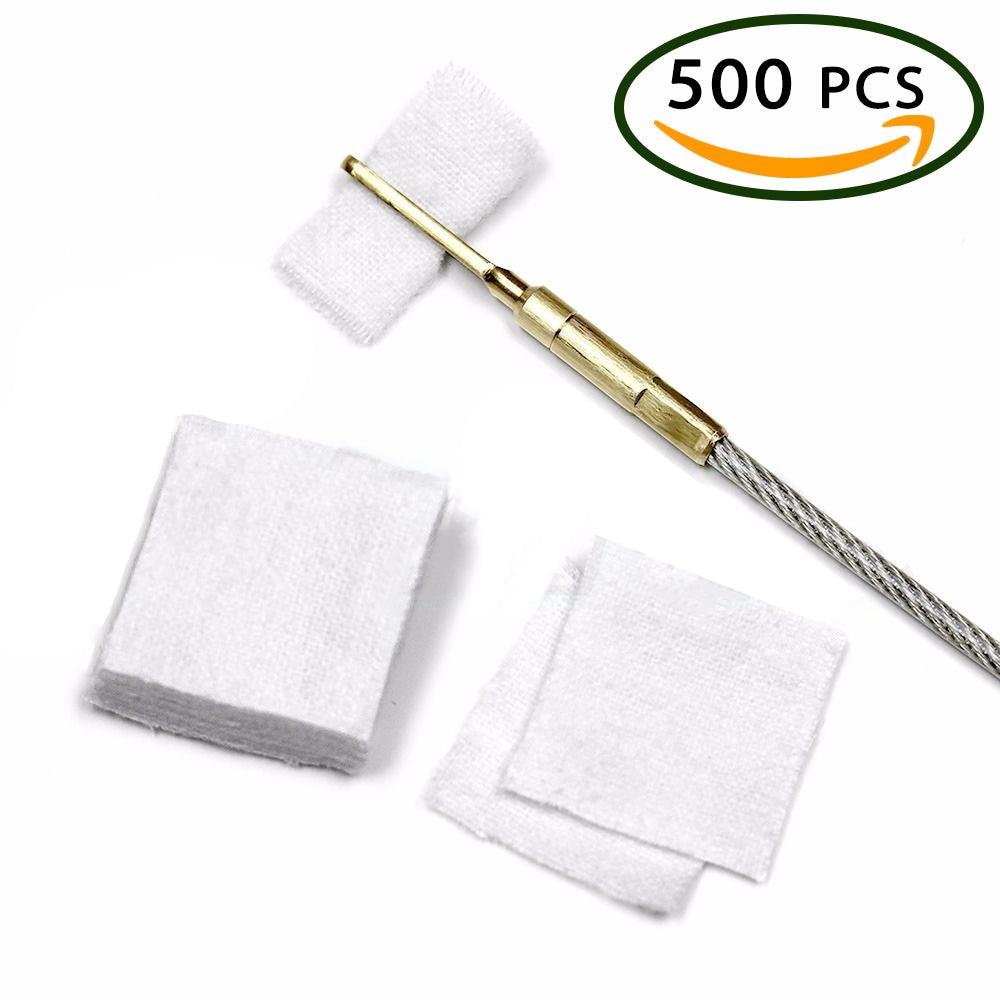
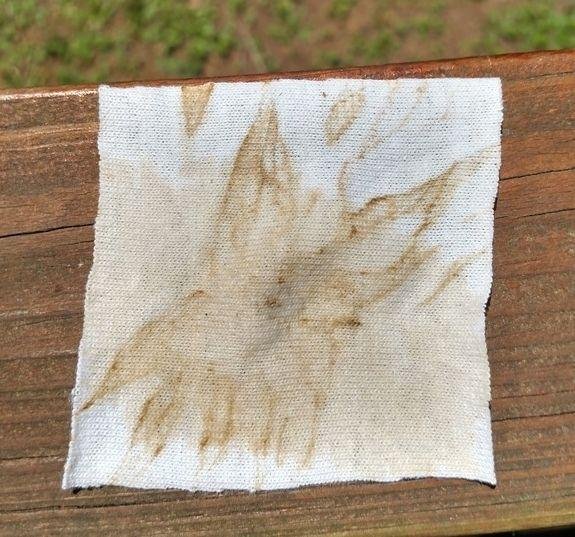
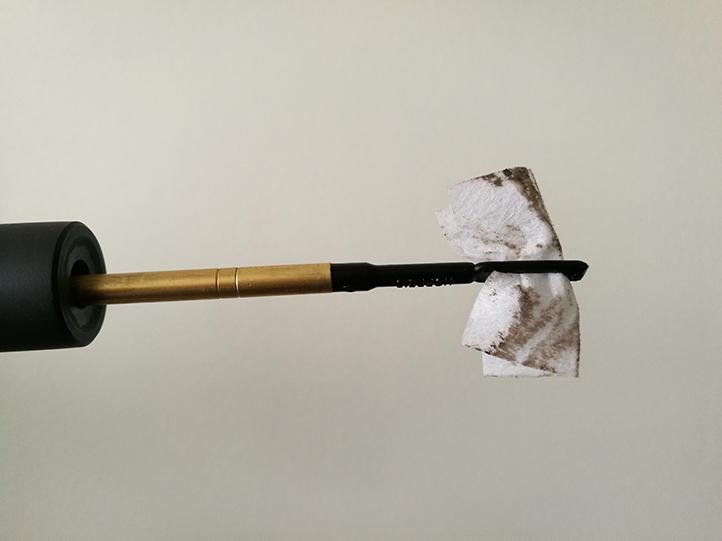
Switch back to clean patches.
Push one patch through the bore.
Inspect the patch.
- Black patches indicate carbon fouling.
- Gray residue is normal during cleaning.
- Continue with fresh patches until they come out mostly clean.
Repeat solvent and brush passes if needed.
Step 6: Clean the Chamber and Bolt Area
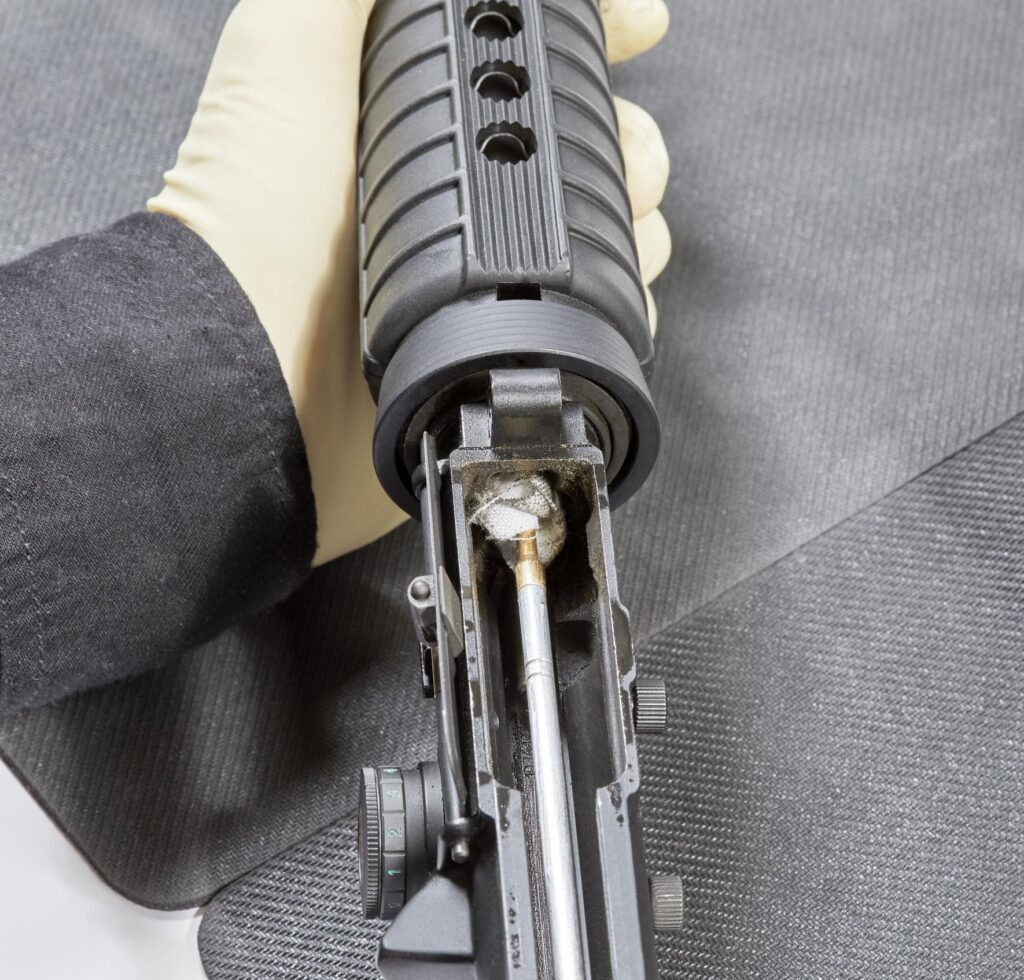
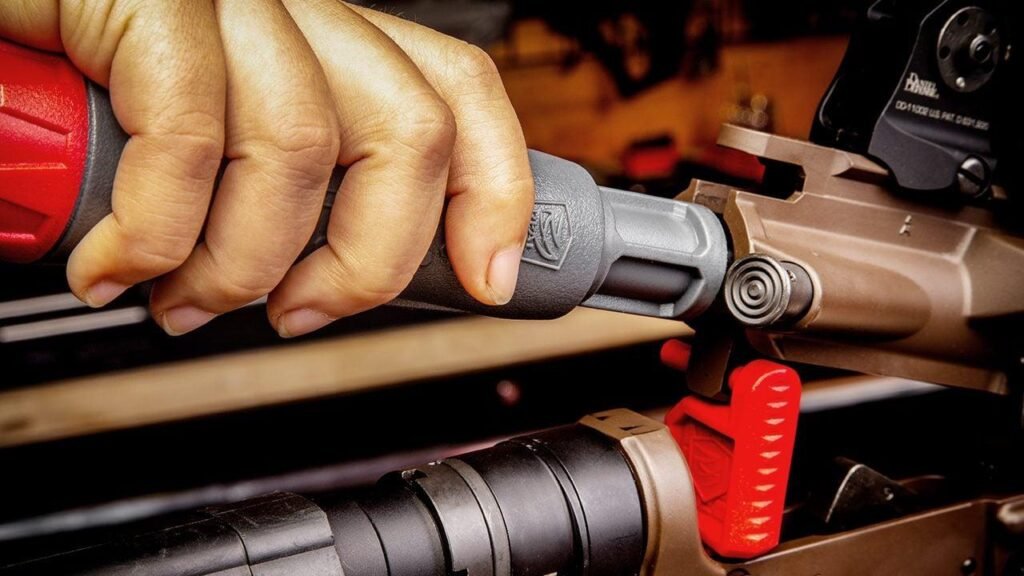
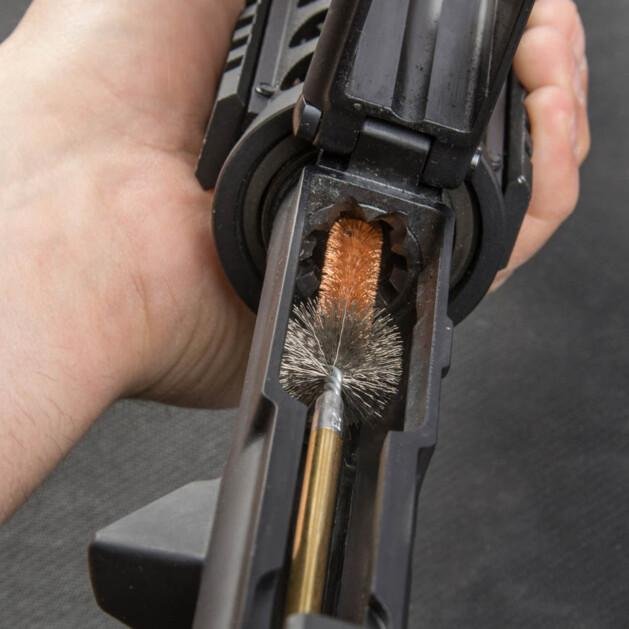
The barrel is only part of the cleaning job.
Use a nylon brush and solvent to clean:
- Chamber.
- Bolt face.
- Bolt carrier group.
- Feed ramps.
- Receiver surfaces.
Wipe away loosened residue with patches or microfiber cloths.
Avoid leaving excess solvent inside the action.
Step 7: Lubricate the Firearm
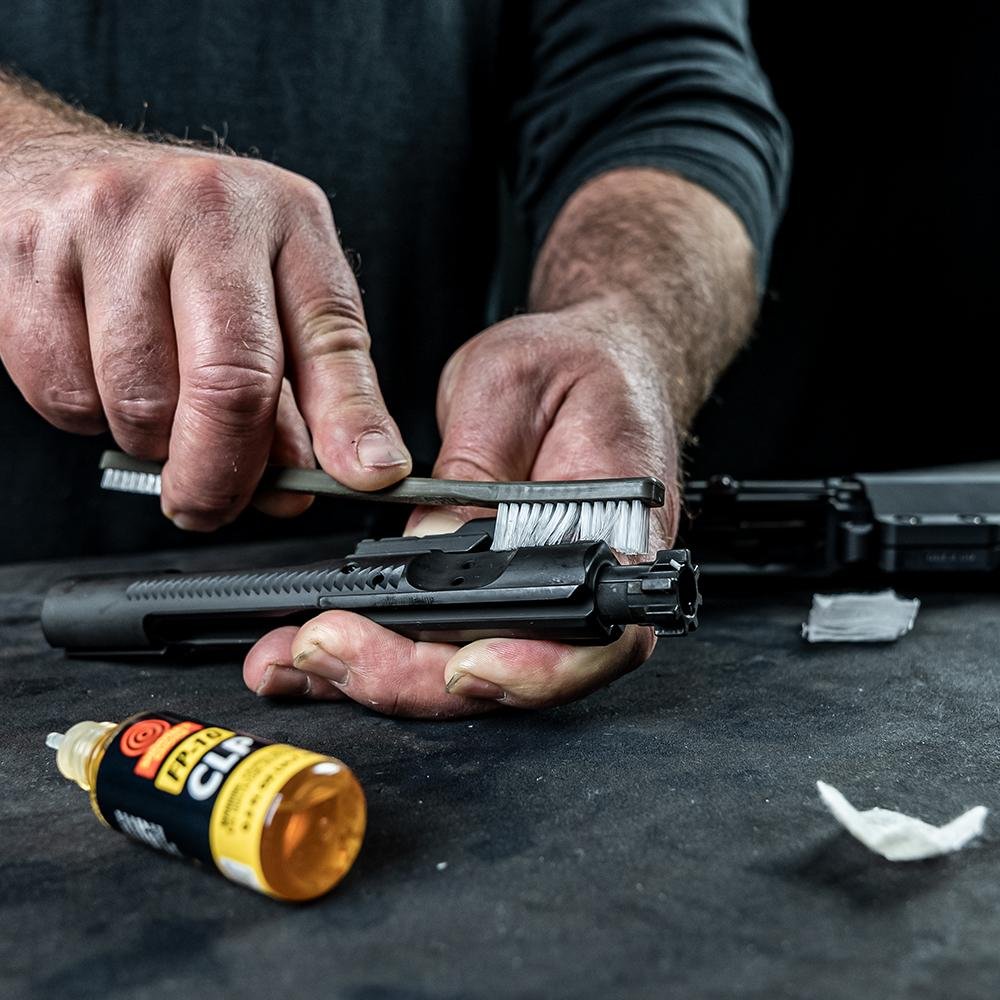
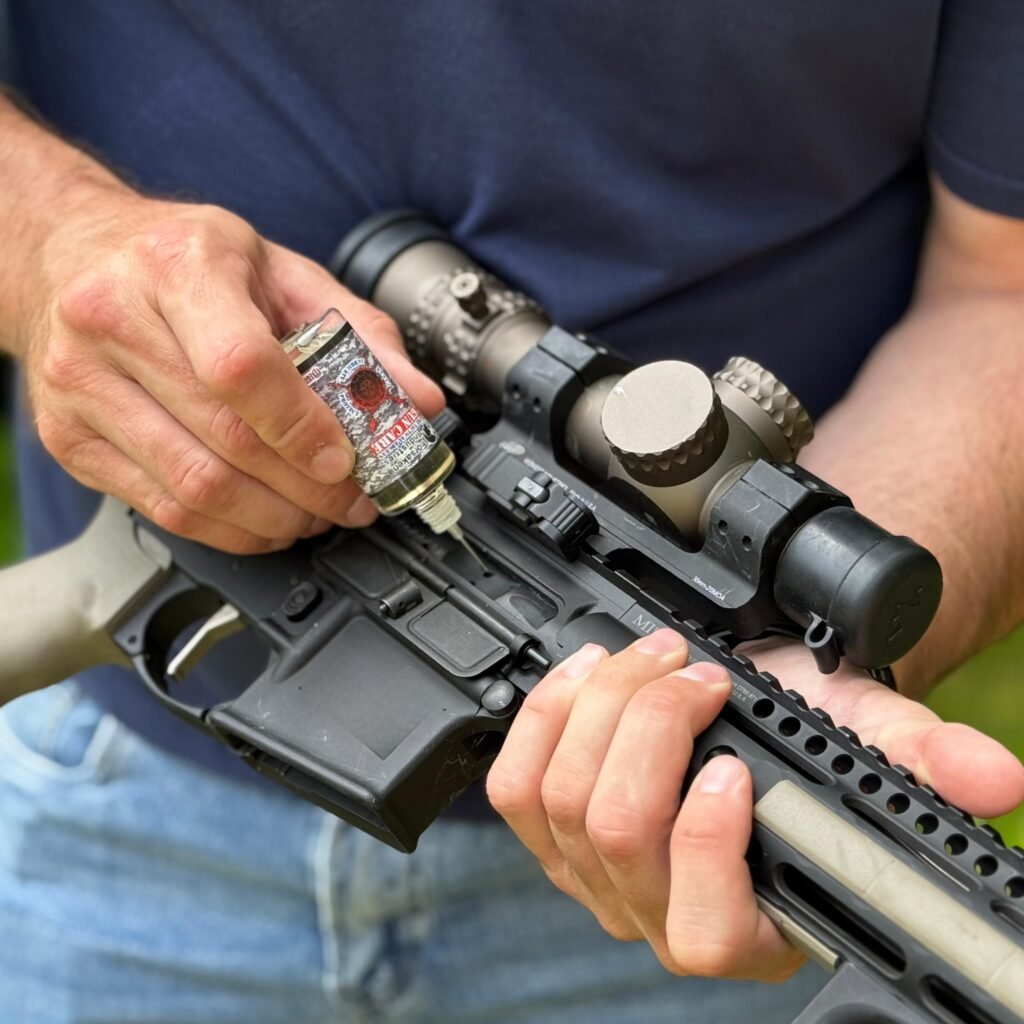
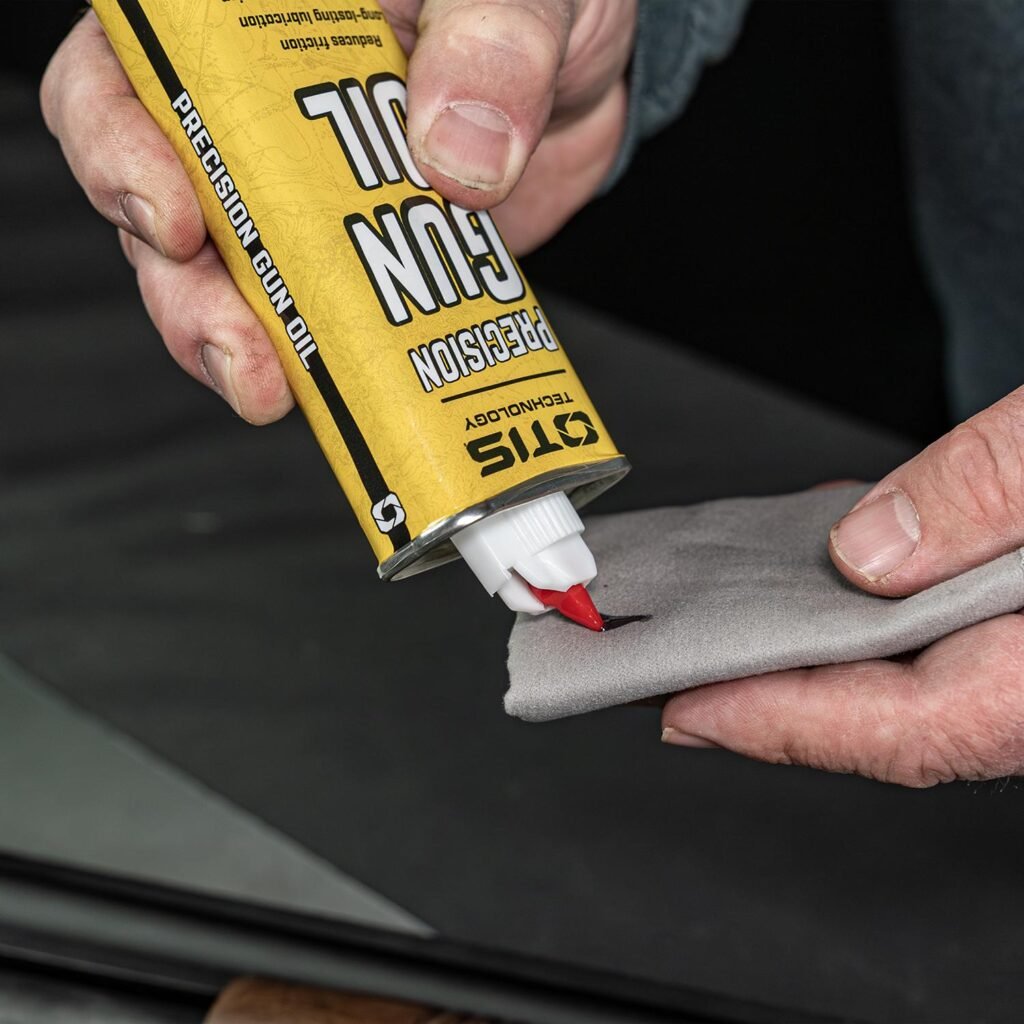
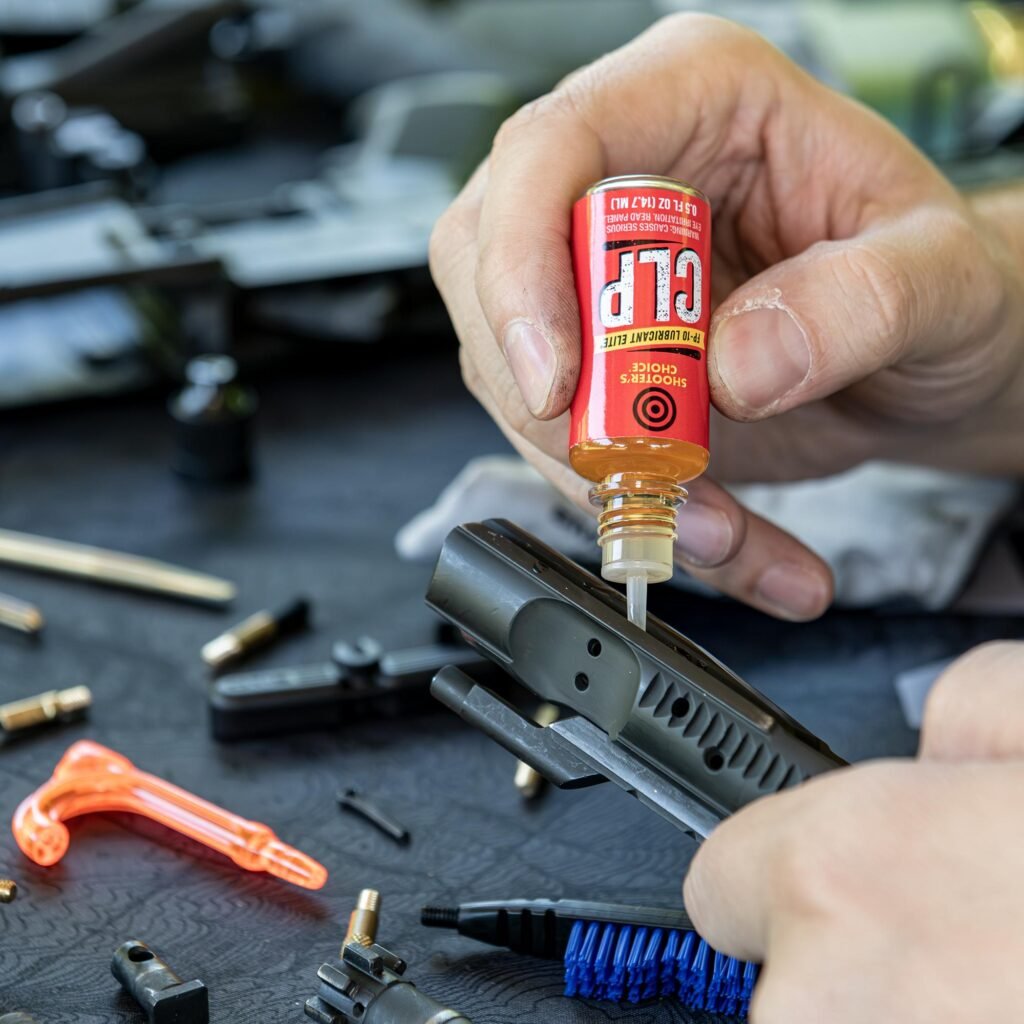
After cleaning:
- Run one lightly oiled patch through the bore.
- Apply a small amount of lubricant to moving metal parts.
- Wipe away excess oil.
A light coating helps protect against corrosion. Too much oil can attract dirt and debris.
Step 8: Remove and Clean the Solvent Trap
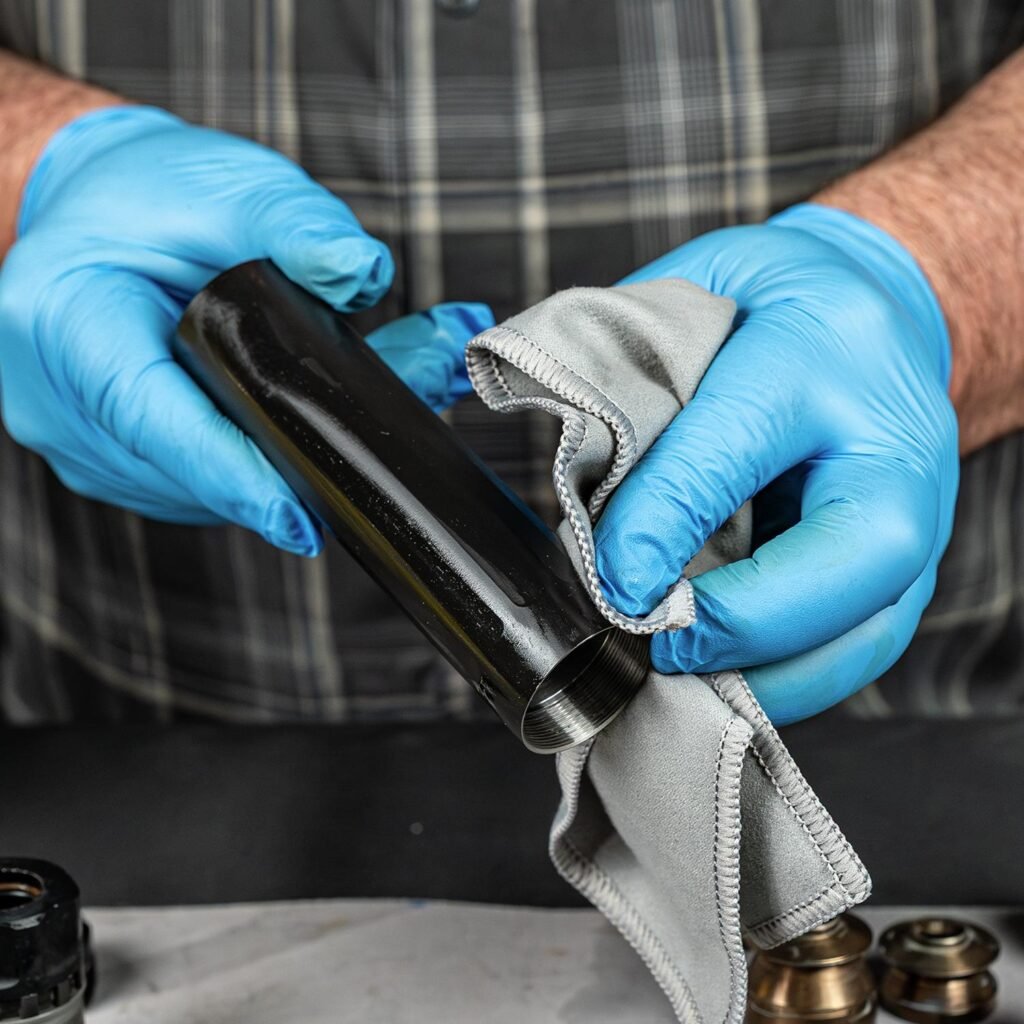
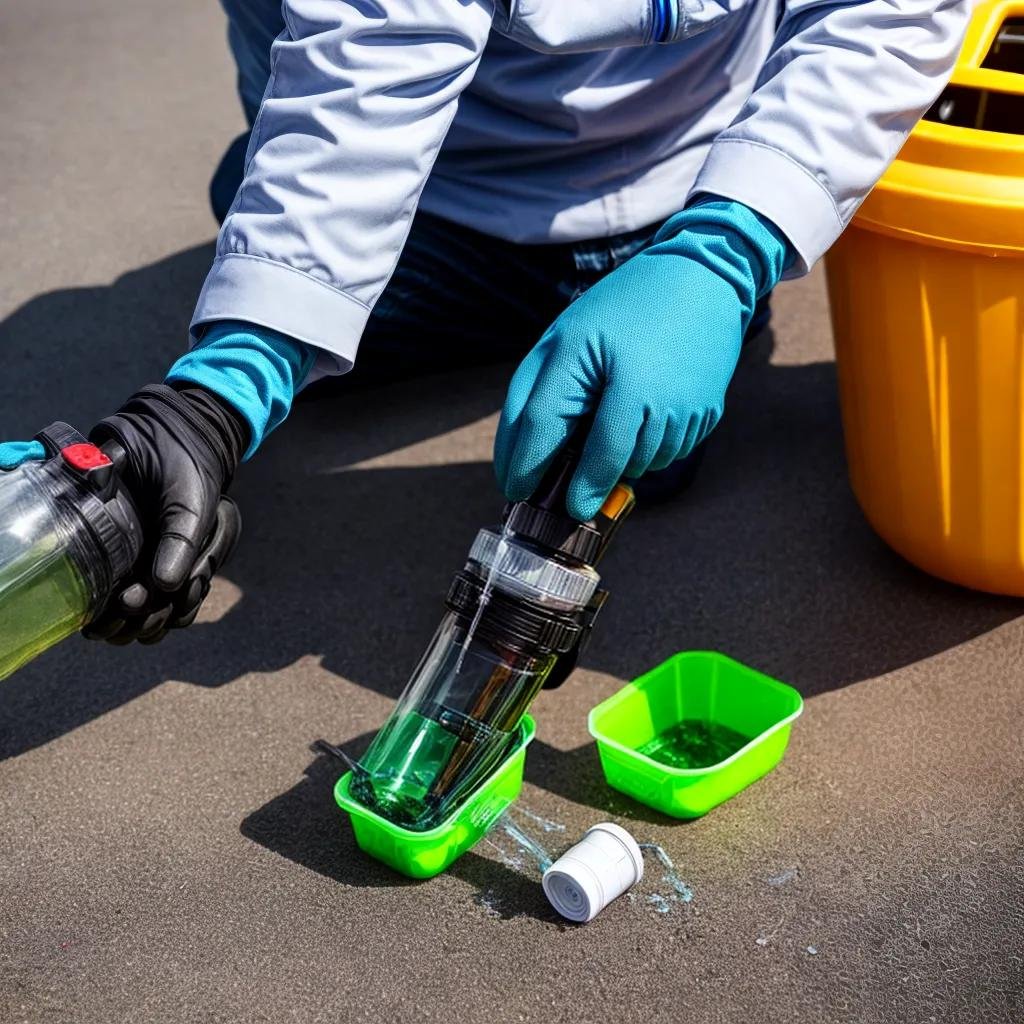
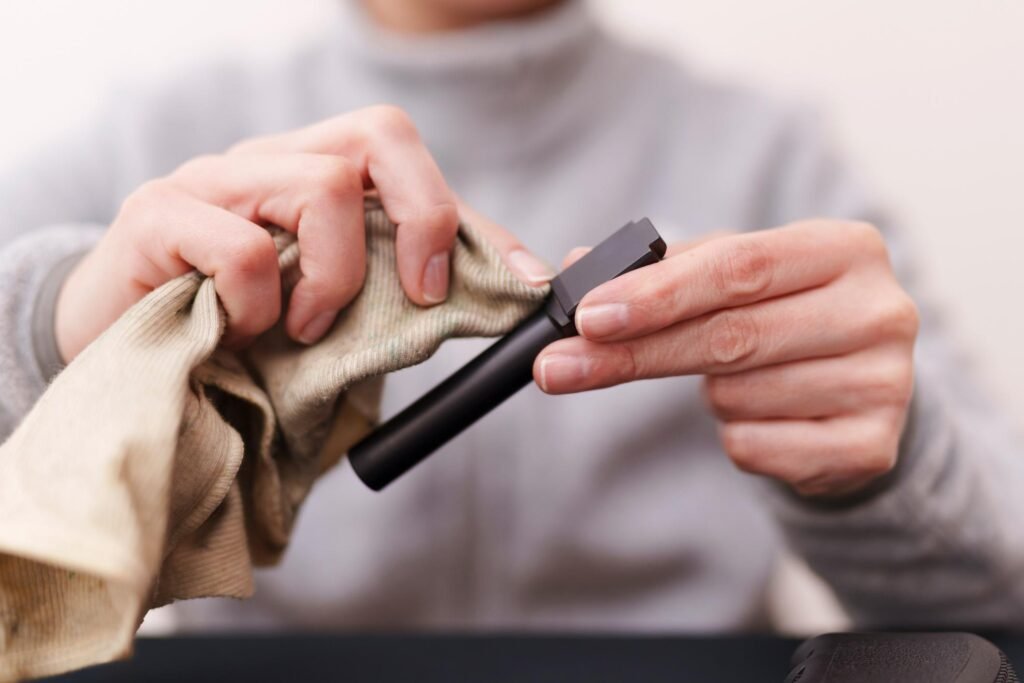
Unscrew the solvent trap after cleaning.
- Empty the used solvent into an appropriate waste container.
- Wipe the inside of the trap clean.
- Dry all components before storage.
- Inspect threads for debris or buildup.
Dispose of used solvent according to your local regulations.
DIY Cleaning Routine in One View
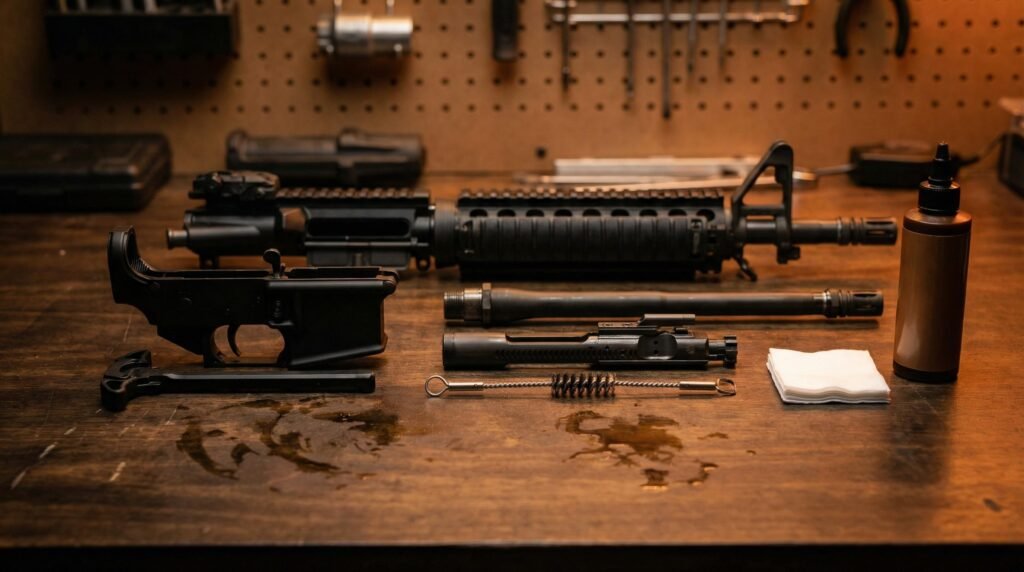
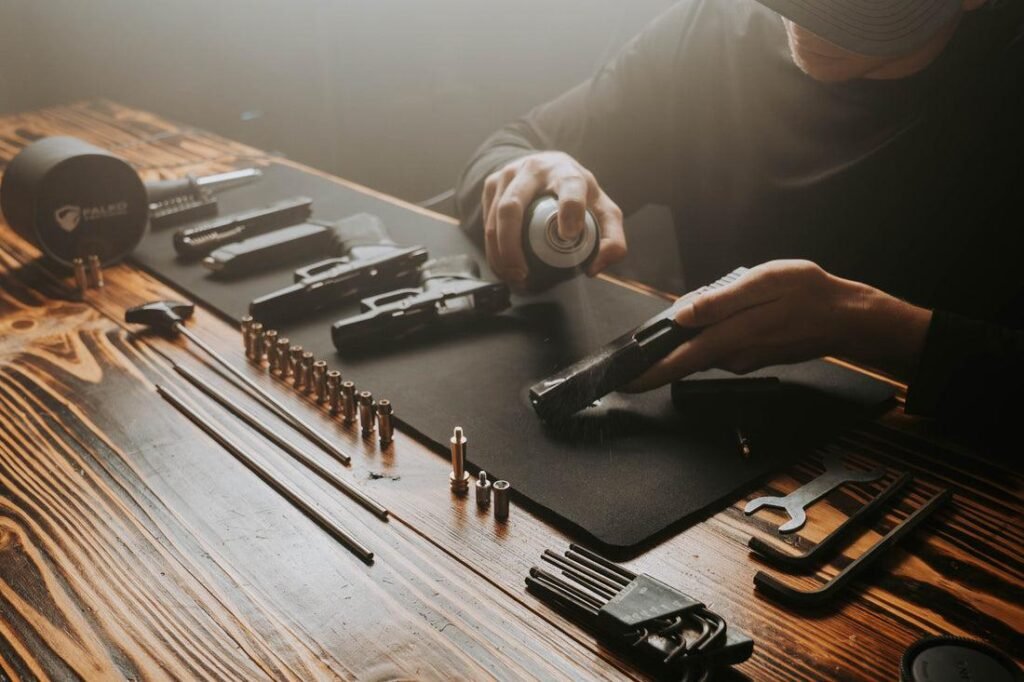
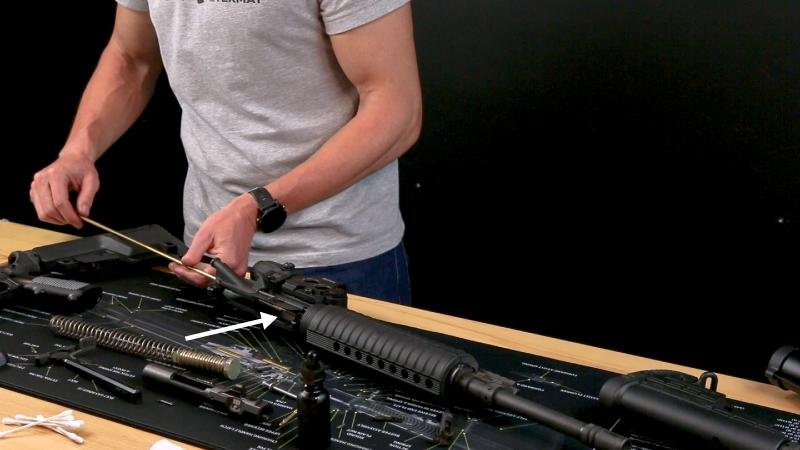
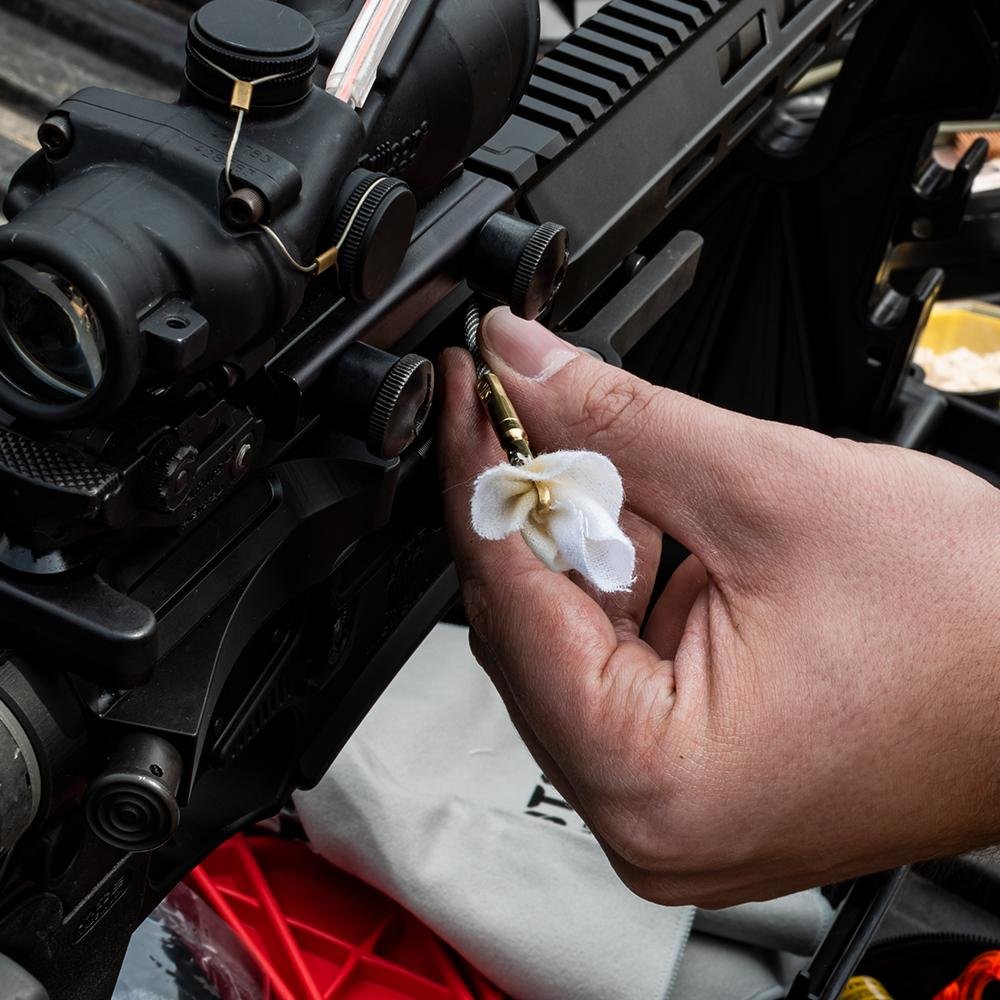
- Unload and inspect the firearm.
- Attach the solvent trap to the threaded barrel.
- Apply solvent with a wet patch.
- Scrub the bore using a caliber-specific brush.
- Run clean patches until the bore is clean.
- Clean the chamber and bolt.
- Lubricate the bore and moving parts.
- Empty and clean the solvent trap.
Pro Cleaning Tips
- Always clean from the chamber toward the muzzle when possible.
- Use fresh patches instead of reusing dirty ones.
- Match brushes and patches to your firearm’s caliber.
- Clean your firearm after range sessions to reduce fouling buildup.
- Store your solvent trap clean and dry after each use.
Frequently Asked Questions
What does a solvent trap do?
A solvent trap catches cleaning solvent, carbon, and debris as they exit the muzzle during barrel cleaning. It helps reduce spills and keeps your workspace cleaner.
Can I reuse a solvent trap?
Yes. Solvent traps are reusable cleaning accessories. Clean and dry the trap after each firearm cleaning session.
Should I oil the barrel after cleaning?
Yes. After the bore is clean and dry, run a lightly oiled patch through the barrel and lubricate moving parts according to your firearm manufacturer’s recommendations.